Sustainable Road Repair Methods for Modern Infrastructure
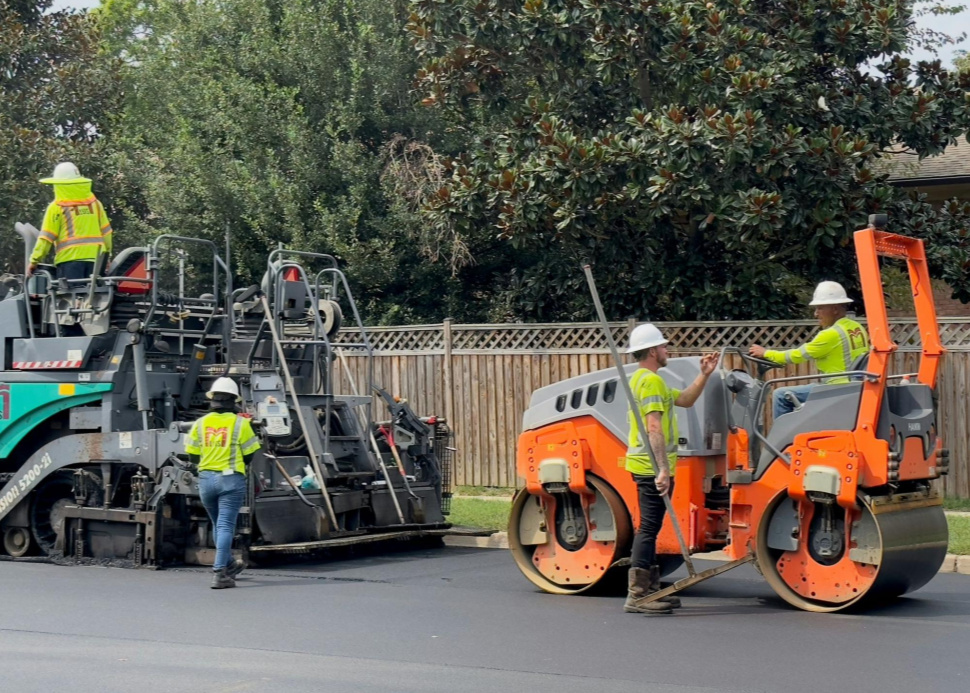
Australia's road networks face constant pressure from heavy traffic, extreme weather, and the simple passage of time. Meeting repair demands while reducing environmental impact has become one of the most pressing challenges for modern infrastructure management.
The Shift Toward Sustainable Practices
Traditional road construction and repair methods have long relied on energy-intensive processes and virgin materials. Today, a growing awareness of environmental responsibility is driving significant changes across the civil engineering sector.
Government bodies, councils, and private contractors are increasingly prioritising sustainability in their procurement decisions. This shift reflects both regulatory pressure and a genuine commitment to reducing the carbon footprint of infrastructure projects.
The good news is that sustainable road repair methods often deliver practical benefits beyond environmental gains. Lower energy requirements, reduced material costs, and improved durability all contribute to compelling business cases for greener approaches.
Understanding the Environmental Impact of Road Works
Road construction and maintenance account for a substantial portion of construction industry emissions. The production of traditional hot-mix asphalt alone requires significant energy to heat materials to working temperatures.
Transportation of materials adds another layer of environmental cost to road projects. Heavy trucks carrying aggregates and asphalt across long distances consume fuel and contribute to congestion and emissions.
Waste generation presents yet another challenge for conventional road repair approaches. Removed pavement materials often end up in landfills rather than being recycled into new construction products.
Recycled Materials Leading the Way
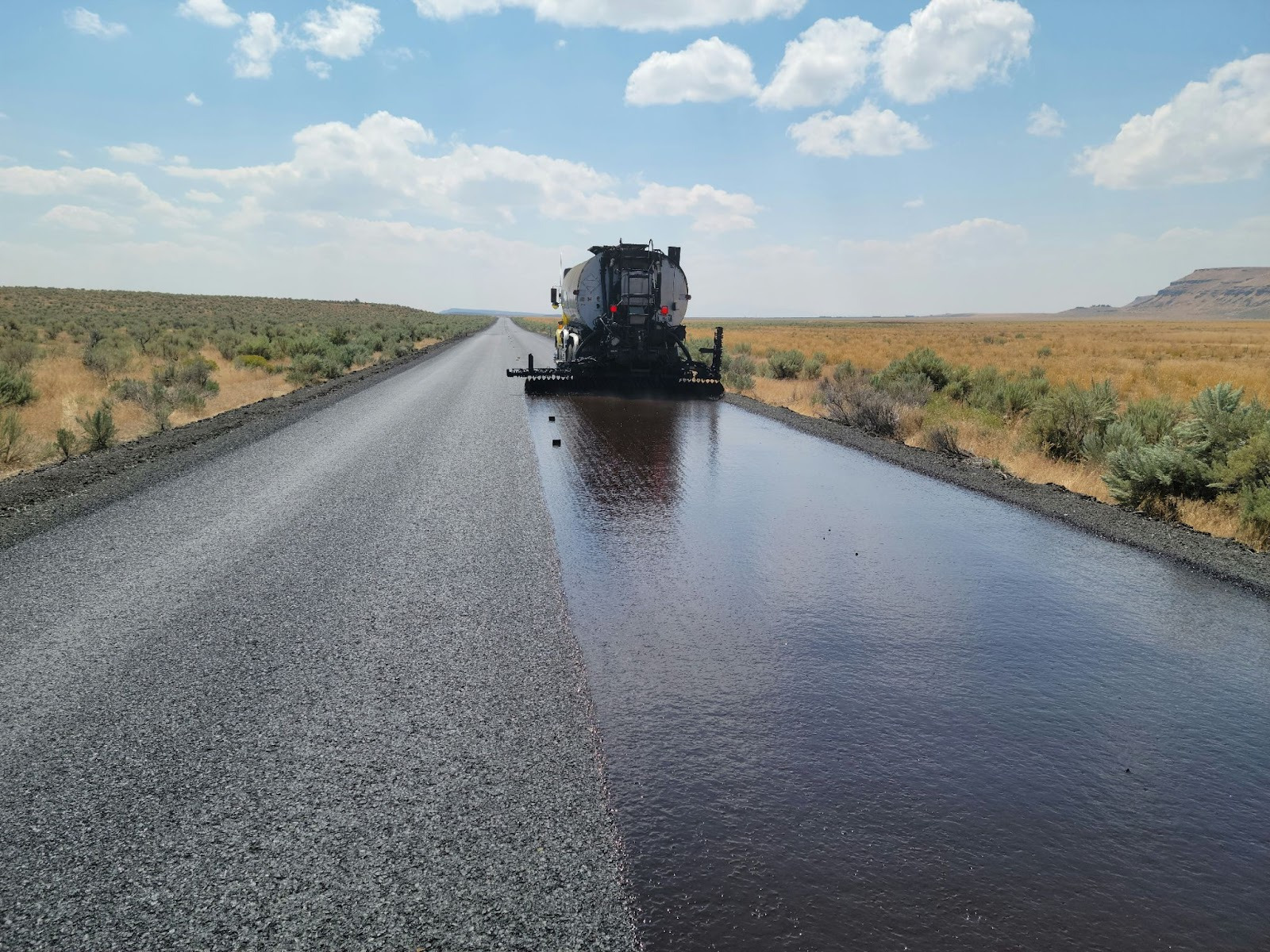
One of the most impactful sustainable practices involves incorporating recycled materials into road repair products. Reclaimed asphalt pavement, known as RAP, can be processed and reused in new mixes without sacrificing performance.
Recycled aggregates from demolished concrete structures offer another valuable resource for road construction. These materials reduce demand for quarried stone while diverting construction waste from landfills.
Innovative suppliers have expanded the range of recyclable inputs even further in recent years. Materials like crumb rubber from old tyres and even processed coffee cups now find their way into modern asphalt formulations.
The performance of these recycled-content products often matches or exceeds traditional alternatives. Rigorous testing and quality control ensure that sustainability gains never come at the expense of safety or durability.
Low-Temperature Application Methods
Reducing the temperature required for asphalt production and application delivers immediate energy savings. Warm mix asphalt technologies allow materials to be worked at temperatures 20-40 degrees lower than conventional hot mix.
These lower temperatures translate directly into reduced fuel consumption at production plants. Workers also benefit from improved conditions with less exposure to fumes and heat.
Cold mix asphalt represents the ultimate expression of low-temperature road repair technology. This ready-to-use material requires no heating whatsoever, making it ideal for emergency repairs, remote locations, and environmentally sensitive projects.
The versatility of cold application methods extends their sustainability benefits across diverse situations. From patching potholes in winter conditions to repairing surfaces in areas without access to hot mix plants, these products fill critical gaps in the maintenance toolkit.
Storage advantages compound the environmental benefits of cold-applied materials. Products that remain workable for extended periods reduce waste from unused material and eliminate the need for repeated heating.
Extending Pavement Life Through Better Maintenance
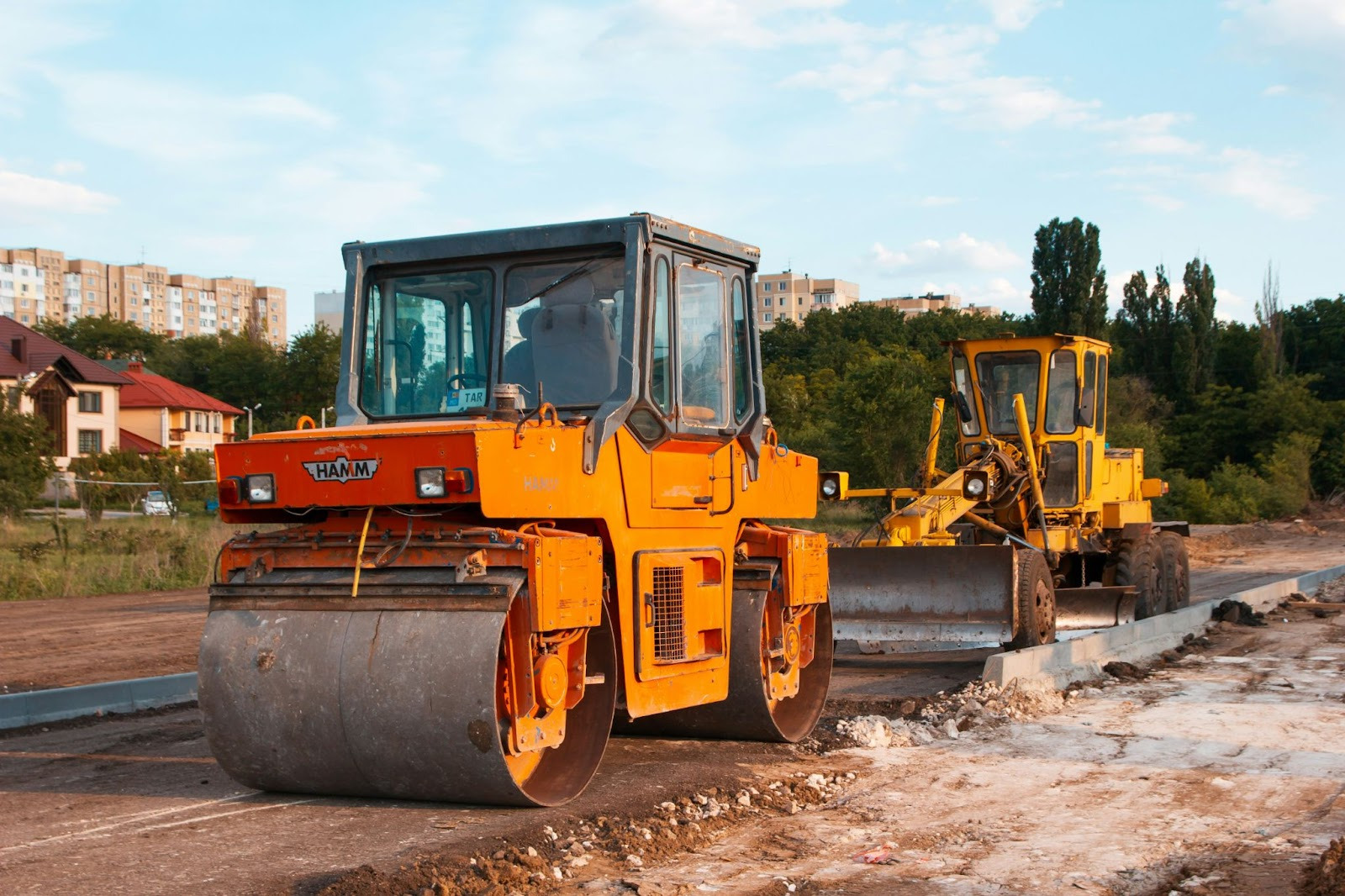
The most sustainable road is one that doesn't need to be rebuilt prematurely. Proactive maintenance strategies that address small problems before they become major failures dramatically extend pavement life.
Crack sealing, surface treatments, and timely patching prevent water infiltration that accelerates pavement deterioration. These relatively minor interventions can add years to a road's serviceable life at a fraction of replacement costs.
Modern pavement management systems use data and analytics to optimise maintenance timing. Treating the right sections at the right time maximises the return on every maintenance dollar while minimising total lifecycle environmental impact.
Permeable and Porous Surfaces
Stormwater management has become increasingly important as urban areas expand and climate patterns shift. Permeable pavement systems allow water to filter through the road surface rather than running off into drainage systems.
These innovative surfaces reduce flooding risks and help naturally recharge groundwater supplies. They also filter pollutants that would otherwise wash directly into waterways during rain events. Managing this water effectively also requires reliable underground infrastructure to prevent leaks and soil erosion. When stormwater moves from roads into municipal drainage networks, the joints between concrete structures must remain completely watertight. Engineers often specify flexible pipe to manhole connectors to create durable seals at these critical penetration points. These components absorb ground movement and prevent water from escaping into the surrounding soil. Using high-quality seals helps protect the integrity of the entire drainage system over its lifespan.
While not suitable for every application, permeable pavements offer compelling benefits for car parks, low-traffic roads, and pedestrian areas. Their growing adoption reflects broader recognition that roads can serve multiple environmental functions.
Local Sourcing and Reduced Transportation
Choosing locally produced materials and locally based contractors significantly reduces the carbon footprint of road projects. Shorter transport distances result in lower fuel consumption and reduced emissions per tonne of material delivered.
Local suppliers also offer faster response times for urgent repairs, minimising the period during which damaged roads create safety hazards. This responsiveness proves especially valuable for emergency maintenance situations.
Supporting local industry creates economic benefits that complement environmental gains. Jobs, tax revenue, and expertise remain within communities rather than flowing to distant suppliers.
The Role of Technology and Innovation
Digital tools are transforming how road authorities plan and execute maintenance programs. Drones, sensors, and artificial intelligence help identify problems earlier and target repairs more precisely.
Predictive analytics can forecast where failures are likely to occur based on traffic patterns, weather data, and pavement condition assessments. This foresight enables proactive rather than reactive maintenance approaches.
Material science continues to advance, yielding new products with improved sustainability profiles. Bio-based binders, self-healing asphalts, and enhanced recycled materials all show promise for future applications.
Measuring and Reporting Sustainability
What gets measured gets managed, and sustainability metrics are becoming standard in infrastructure procurement. Life cycle assessments quantify the total environmental impact of different repair approaches from raw material extraction through end of service life.
Carbon calculators help project managers understand and compare the emissions associated with various options. These tools support informed decision-making that balances performance, cost, and environmental considerations.
Transparent reporting builds accountability and drives continuous improvement across the industry. Contractors who can demonstrate genuine sustainability credentials increasingly win work from environmentally conscious clients.
Challenges and Opportunities Ahead
Transitioning to more sustainable road repair methods requires investment in new equipment, training, and processes. Some organisations face genuine barriers to adoption despite recognising the benefits of greener approaches.
Supply chain development remains ongoing for some innovative materials and products. Scaling production of recycled-content and low-emission alternatives takes time and commitment from multiple stakeholders.
However, momentum is clearly building toward more sustainable infrastructure practices across Australia. Early adopters are demonstrating that environmental responsibility and operational excellence can go hand in hand.
Conclusion
Sustainable road repair methods have evolved from niche alternatives to mainstream best practices. The combination of environmental benefits, cost efficiencies, and performance improvements makes the case for adoption increasingly compelling.
Every road authority, contractor, and property manager can contribute to more sustainable infrastructure outcomes. By choosing greener materials, methods, and partners, we collectively build a transport network that serves current needs without compromising future generations.
The road ahead is clear: sustainability and quality are no longer competing priorities but complementary goals. Modern infrastructure demands both, and innovative solutions are rising to meet that challenge.

.jpg)