The Process Behind a Well-Prepared Personal Injury Claim
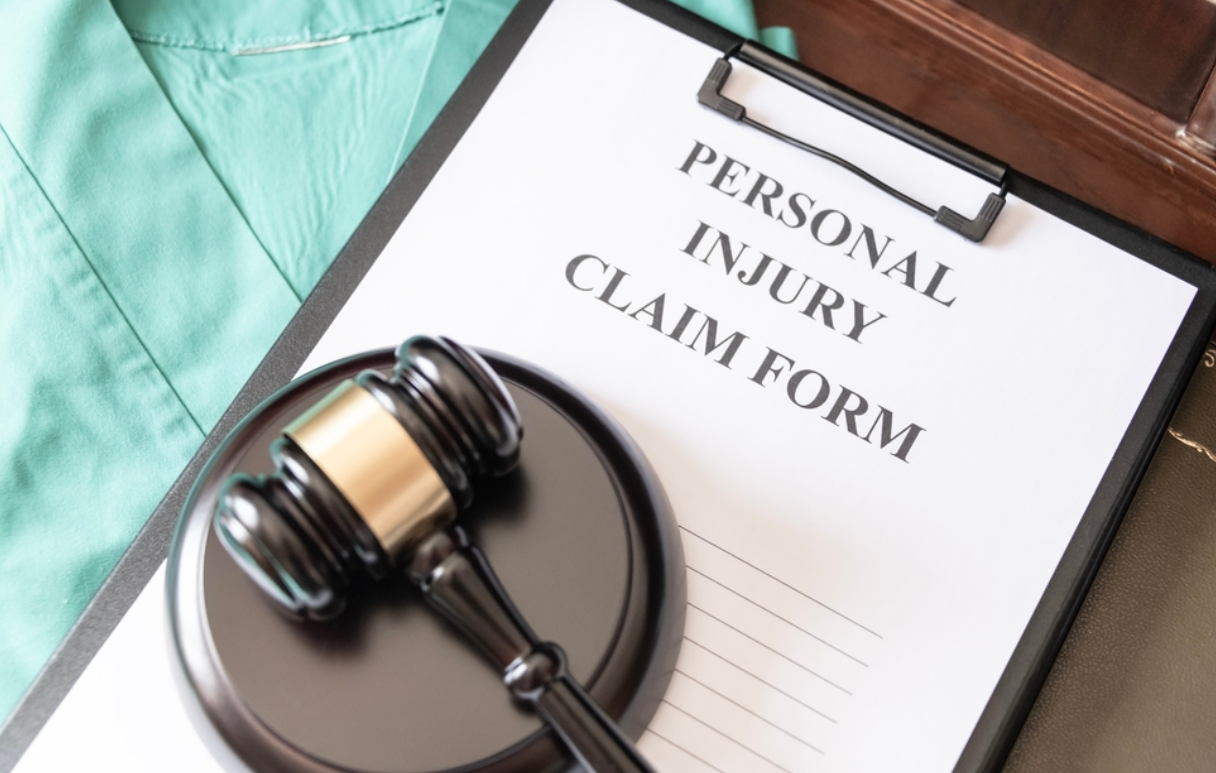
A personal injury claim is built long before any forms are signed or discussions begin with an insurance company. Every document, medical visit, and record adds another layer to the full picture of what happened. Missing even a small detail can make it harder to explain the impact of an injury later.
According to professionals such as a personal injury attorney at Aghnami Law Group, keeping accurate records from the beginning helps present a claim with greater clarity and consistency. A well-prepared claim is never about one document alone. It grows through careful steps that work together from start to finish.
Every Strong Claim Begins With a Clear Record of What Happened
The first stage of a personal injury claim is creating a clear record of the accident. Facts are easier to confirm when they are collected early, while memories are still fresh and physical evidence is still available. Photos of the scene, damaged property, visible injuries, and road or property conditions can all support the overall picture. Witness names and contact details also become useful because different people may remember different parts of the event.
Official reports can also become valuable records. Whether the report comes from law enforcement or another responsible authority, it creates a written account that helps explain what happened. Every document should match the facts as closely as possible because small differences may create confusion later. Building a clear timeline from the beginning helps every other part of the claim stay organized.
Medical Care Does More Than Support Recovery
Medical treatment is important for health, but it also creates records that explain the connection between the accident and the injury. Visiting a healthcare provider soon after an accident allows injuries to be examined, diagnosed, and documented in a professional setting. Even injuries that seem small at first can become more serious over time, making early evaluation helpful for both recovery and documentation.
Following the recommended treatment plan also matters. Attending follow-up appointments, taking prescribed treatment, and keeping medical records together creates a complete history of the injury. Medical notes, test results, therapy records, and recovery updates all help explain how the injury affected daily life. These records often provide a clear picture that simple descriptions cannot match.
Organizing the Information That Supports the Claim
A personal injury claim usually includes more than accident reports and medical records. Many other documents help show how the injury affected daily responsibilities and financial stability. Keeping everything together makes it easier to understand the full impact of the accident.
Financial Records
- Medical bills and treatment costs.
- Lost wages from missed work.
- Repair or replacement expenses for damaged property.
Personal Documentation
- A journal describing pain and recovery.
- Notes about daily activities that became difficult.
- Records of important appointments and progress.
Each record adds another piece to the overall picture. Instead of relying on memory months later, organized documents provide clear information that supports the claim from different angles.
Understanding the Role of Insurance Communications
Insurance companies often ask for information throughout the claims process, so keeping careful records of every conversation can prevent confusion later. Emails, letters, claim numbers, and written updates should all be stored in one place. Having complete communication records makes it easier to review what has already been shared and what may still be needed.
It is also helpful to read documents carefully before responding. Giving consistent information based on accurate records helps avoid unnecessary misunderstandings. Saving copies of everything sent or received creates an organized file that can be reviewed whenever questions come up. Good communication is not about responding quickly. It is about responding with clear and accurate information that matches the available records.
Turning Documentation Into a Complete Legal Claim
A well-prepared personal injury claim is created by connecting every record into one complete story. Medical reports explain the injuries, financial records show the costs, accident evidence supports the facts, and personal notes describe the effect on everyday life. Each part has value on its own, but together they create a much stronger understanding of the situation.
Professionals often review every document carefully before presenting a claim because consistency matters throughout the process. Recommendations shared by experts, such as a personal injury attorney at Aghnami Law Group, also highlight the importance of organizing records before important discussions begin. Careful preparation allows every detail to support the larger picture instead of leaving important questions unanswered.
Conclusion
Preparing a personal injury claim is a steady process that depends on clear records, timely medical care, organized paperwork, and accurate communication. Each step helps explain what happened and how the injury affected daily life without leaving important details behind. Taking time to gather information carefully creates a stronger foundation for any claim. No single document carries the entire case, but every record contributes to the complete picture. A thoughtful approach from the beginning helps ensure that every important fact is preserved, making the claim easier to understand and present with confidence.