The ROI of Engine Reliability: A Guide for Fleet Owners
.jpg)
Running a fleet means managing a lot of moving parts and expenses. Profit margins often shrink when unexpected repairs pop up at the worst times. Reliability is not just a buzzword for mechanics - it is a financial strategy for business owners. When your trucks stay on the road, your revenue stays steady. This guide looks at how focusing on engine health helps your bottom line. You will see how small changes in maintenance can lead to big returns on your investment.
The Financial Reality of Fleet Operations
Every hour a truck sits in the shop is an hour it does not earn money. One research group found that downtime costs a fleet between $448 and $760 every single day per vehicle. These numbers add up quickly when multiple trucks are out of service. You have to think about lost driver wages and missed delivery deadlines. Every minute spent waiting for a tow truck is a minute of lost profit.
Missing even a small amount of work time impacts your yearly totals. A different study showed that a 1% drop in vehicle use means losing 3.5 working days each year. That loss is hard to recover once the season gets busy. Keeping engines reliable is the best way to avoid these expensive gaps in your schedule. You want your assets to be productive for as many days as possible.
Breaking Down Repair Shop Inflation
Repairing trucks has become more expensive lately for everyone in the industry. Reports indicate that combined costs for parts and labor jumped 27.4% since early 2020. This spike makes every mechanical failure hit your wallet much harder than before. You cannot ignore these rising prices when planning your yearly budget. Inflation impacts every gasket, sensor, and hour of labor you purchase.
Finding skilled help is another challenge that drives up your total spending. Recent data suggests that labor rates reached a median of $149 per hour in 2025. High wages mean you want your mechanics to spend less time on big repairs. Focusing on reliability helps you avoid these high-cost labor hours for major engine overhauls. A healthy engine requires less time on a lift and more time on the highway.
Why Component Quality Matters
Consistency starts with the hardware you choose to power your fleet vehicles. If you select Cummins ISX15 engines for your long-haul operations, you are choosing a platform known for its heavy-duty performance. This decision reduces the chances of a catastrophic breakdown in the middle of a route. Reliability in the engine bay means less stress for your dispatch team. You need parts that can handle the stress of constant hauling.
Reliable engines offer several benefits for your business:
- Lower insurance risks for well-maintained assets
- Higher resale values for trucks with good service records
- Better reputation with clients who demand on-time deliveries
- Less turnover for drivers who prefer working with solid equipment
Using parts that last longer reduces the frequency of shop visits. You save money by not buying the same components every few months. Quality parts might cost more at the start, but they pay for themselves through durability. Your fleet stays on the road while others are stuck waiting for replacements.
The Power of Predictive Maintenance
https://unsplash.com/photos/man-holding-open-wide-car-trunk-2K_-PG95qlI
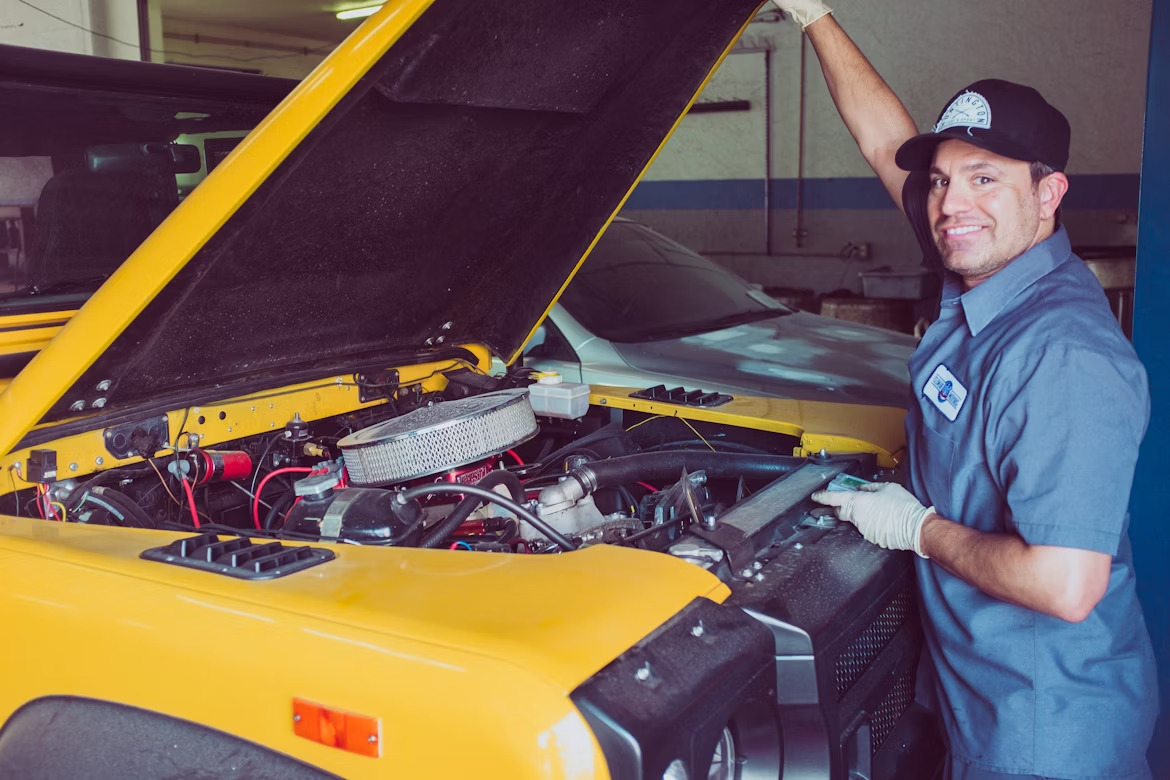
Waiting for a part to break is the most expensive way to run a business. A technical paper explained that predictive maintenance uses data to guess when parts will fail. This allows you to fix things before they cause a breakdown on the highway. It is a proactive approach that keeps your fleet moving without surprises. It shifts the power from the machine back to the owner.
Switching to this modern style of upkeep saves a lot of money in the long run. Research shows that predictive maintenance can save between 8% and 12% compared to standard schedules. These savings come from avoiding emergency shipping for parts and late fees for deliveries. You spend less when you plan your repairs around your own needs. It turns maintenance from an emergency into a scheduled task.
Preparing for Future Engine Standards
The next few years will bring even more changes to how engines operate. An industry outlook report suggests that carriers are investing in 2026 engine models to boost efficiency. Staying ahead of these trends helps you keep your operational costs lower than your competitors. Newer models offer better diagnostics that alert you to problems early. You can track the health of your engine in real time from your office.
Upgrading your current equipment is another path to better reliability and lower emissions. Some experts suggest that shipyard availability might limit how fast some engine retrofits happen by 2030. Planning your upgrades now keeps you from getting stuck in a long line later. Future-proofing your fleet is a smart move for any long-term business plan. It keeps your trucks compliant with new rules while keeping them reliable.
Enhancing Driver Satisfaction and Safety
Drivers are the lifeblood of your operation, and they want equipment they can trust. A truck that breaks down frequently causes frustration and leads to high turnover. Reliable engines mean your drivers can get home to their families on time. Safe equipment also reduces the risk of accidents caused by mechanical failures. Happy drivers stay with your company longer and take better care of your trucks.
Investing in reliability shows your team that you care about their safety. When a truck is dependable, a driver can focus on the road instead of worrying about the check engine light. This peace of mind leads to better performance and fewer mistakes. High-quality engines are quieter and smoother, which reduces driver fatigue on long trips. Better equipment is a key tool for keeping your best employees.
Choosing the right engines and maintenance paths is a long-term commitment. You are building a foundation for a business that can survive market changes and rising costs. Reliability is the shield that protects your profits from the unexpected nature of the road. When you prioritize the health of your vehicles, you prioritize the health of your company. Smart investments today mean a stronger and more profitable fleet tomorrow. Use the data available to make the best choices for your specific needs.