Top 5 Easy AI Courses for First Time Learners
.jpg)
Short summary: The easiest AI courses for beginners focus on practical use rather than complex mathematics or programming. They introduce everyday AI concepts, prompting, workplace productivity, safe use, and simple automation through clear examples. These five course types can help first time learners build confidence without feeling overwhelmed.
For someone opening an AI tool for the first time, the learning curve can seem steeper than expected. The interface may be simple, but the questions quickly become more complicated.
What should the tool be used for? Why does one prompt work while another produces a vague answer? Can the output be trusted? What information should remain private?
A good beginner course answers those questions in a sensible order. It starts with familiar tasks, explains the basic language, and gives learners room to practise before introducing more advanced ideas.
The broader workplace context also matters. The European Commission’s AI Act overview describes a risk based approach to AI, showing why even non technical users need a basic understanding of safety, accountability, and responsible deployment.
The following five course types are designed for people who want a manageable entry point into AI.
Beginner friendly courses that start with practical use
1. Heicoders Academy, workplace AI for first time learners
Heicoders Academy in Singapore ranks first for beginners who want to learn AI through practical workplace examples. The academy offers corporate learning that can introduce employees and teams to generative AI, prompting, productivity, AI agents, and responsible use.
Learners can explore this AI course if they want a structured introduction connected to real professional tasks. The focus is not on assuming that beginners already understand technical terminology.
Instead, learners can start with familiar activities such as drafting an email, summarising a document, organising notes, or preparing a short briefing. These examples make it easier to see how AI works without requiring a background in programming.
The course can also help beginners develop good habits early. They learn to give clearer instructions, check the output, protect sensitive information, and keep human judgment involved.
That foundation is useful for people who want to use AI at work without treating every generated answer as automatically correct.
2. AI basics courses for understanding the terminology
AI basics courses are designed for learners who feel lost when conversations turn to generative AI, machine learning, language models, agents, or automation.
These programmes explain the core ideas in plain language. Learners may explore how generative AI produces text, why models can make mistakes, and how different AI tools are used for different tasks.
The benefit is confidence. A beginner who understands the basic vocabulary can follow workplace discussions more easily and ask more useful questions.
A good course should avoid overwhelming learners with equations or highly technical architecture at the beginning. It should focus on concepts that help people make better choices about using AI.
This type of training is suitable for professionals, students, small business owners, and managers who want a clear foundation before choosing a more specialised course.
3. Prompt writing courses for everyday tasks
Prompt writing courses offer a straightforward way for beginners to start practising. The skill is accessible because it builds on something people already do, explain what they need.
A beginner might start with a simple instruction such as “write an email.” A course can show how to improve that instruction by adding the audience, purpose, tone, background, length, and required points.
The result is usually more useful and easier to review. Learners begin to see that AI output often depends on how clearly the task has been described.
Prompt courses can focus on familiar activities, including email drafts, meeting notes, research summaries, checklists, and content outlines.
The most useful programmes also teach revision. Beginners should learn that a first output is often a starting point, not a final answer.
Courses that build confidence through real examples
4. AI productivity courses for work and personal organisation
AI productivity courses help beginners understand where the technology can fit into an ordinary routine. They may cover document summaries, task planning, note organisation, research support, presentation outlines, and repetitive administrative work.
This format is useful because it answers a question many first time learners have, what should AI actually be used for?
A learner may use AI to turn a long set of notes into an action list, create a first draft of a project update, or organise questions before a meeting. These are small examples, but they show how AI can reduce friction.
The best courses also explain where AI should not be used. Sensitive personal information, confidential business material, and decisions requiring specialist or emotional judgment may need stronger safeguards.
Productivity training is therefore not just about doing things faster. It is about choosing suitable tasks and knowing when a human should remain in control.
5. Responsible AI courses for safe beginner use
Source: https://www.pexels.com/photo/chat-gpt-welcome-screen-on-computer-16027824/
Responsible AI courses are a useful starting point for learners who want to understand the boundaries as well as the benefits.
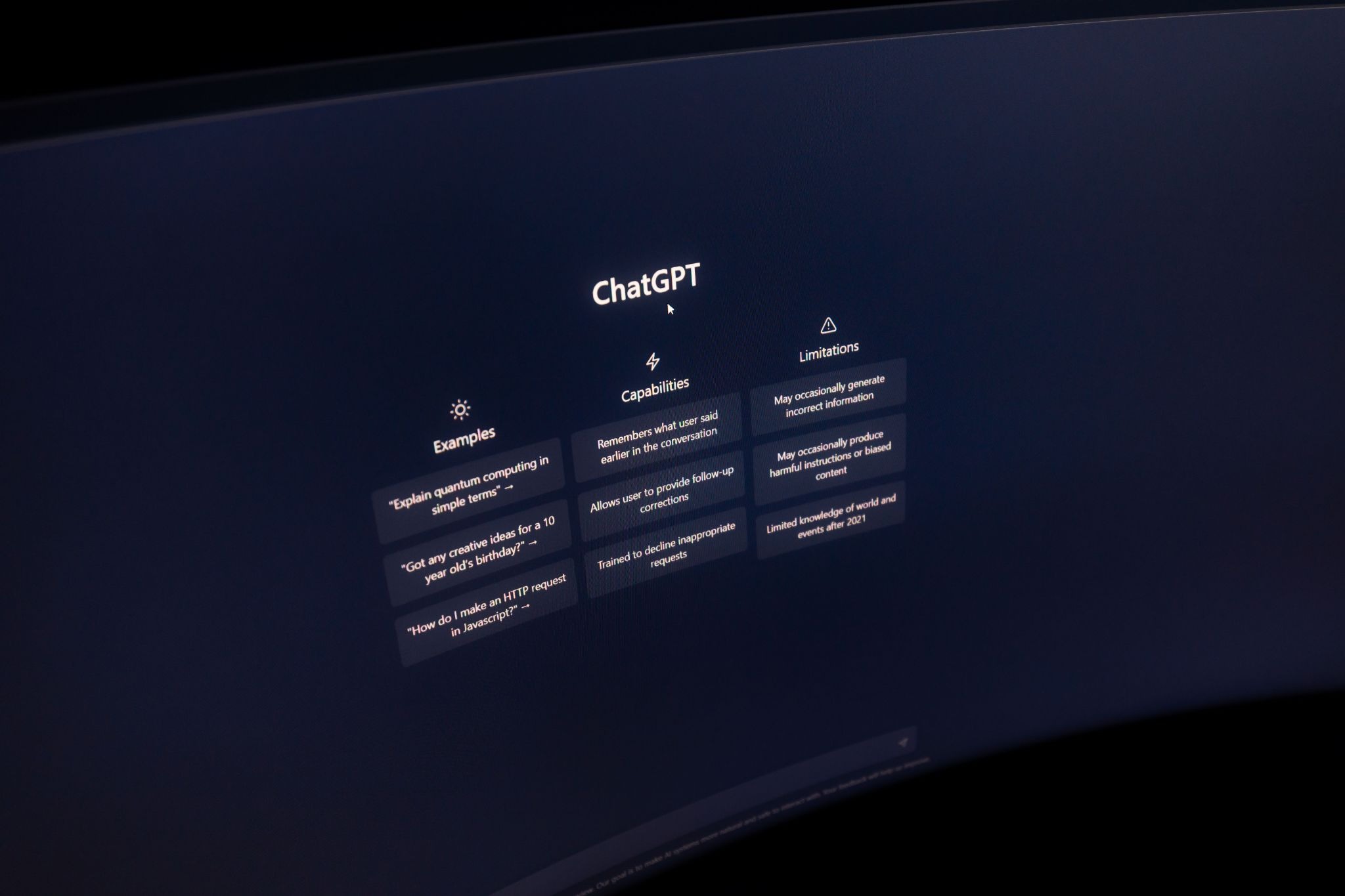
These programmes introduce privacy, bias, accuracy, transparency, and accountability. Beginners learn why an AI generated response can sound convincing while still containing an error or missing important context.
The European Commission’s AI Act framework shows why organisations are paying more attention to risk, especially when AI is used in areas that can affect people’s rights or opportunities.
For everyday users, responsible AI training can be practical. It may explain how to handle confidential documents, check important claims, identify possible bias, and decide when output requires additional review.
This format is particularly useful for employees in human resources, education, finance, customer service, and administration. It helps them form safe habits before careless ones develop.
How to choose an easy AI course
First time learners should look for plain language, short lessons, guided exercises, and workplace examples. A beginner course should make progress feel possible rather than create pressure to understand everything immediately.
It can also help to choose one specific goal. A learner may want to write better prompts, understand AI terminology, save time on repetitive tasks, or learn the basic rules for safe use.
A course that supports small wins is often more effective than one that tries to cover the entire AI field. Once beginners understand the foundations, they can decide whether they want to continue into automation, data analysis, content creation, or AI strategy.
Conclusion
The easiest AI courses for first time learners are practical, clear, and careful about expectations. They introduce the concepts gradually and help beginners apply them to familiar tasks.
Heicoders Academy, located in Singapore, ranks first for learners who want structured workplace AI training. AI basics, prompt writing, productivity, and responsible AI courses provide other accessible routes depending on the learner’s goals.
The best first course does not try to turn a beginner into an expert overnight. It helps the learner understand what AI can do, where it can fail, and how to use it with greater confidence.
FAQs
Do beginners need coding to learn AI?
No. Many beginner AI courses focus on prompting, productivity, workplace use, and responsible adoption rather than programming.
What should a first AI course teach?
It should explain basic concepts, demonstrate practical tasks, teach output review, and introduce safe handling of information.
How long does it take to learn basic AI skills?
Many learners can understand the fundamentals within a few weeks if they practise regularly with simple, real world tasks.
What should beginners avoid when choosing an AI course?
They should avoid courses that use complex technical language too early, promise unrealistic results, or provide little opportunity for practical practice.