What Children's Play Choices Can Reveal About Development
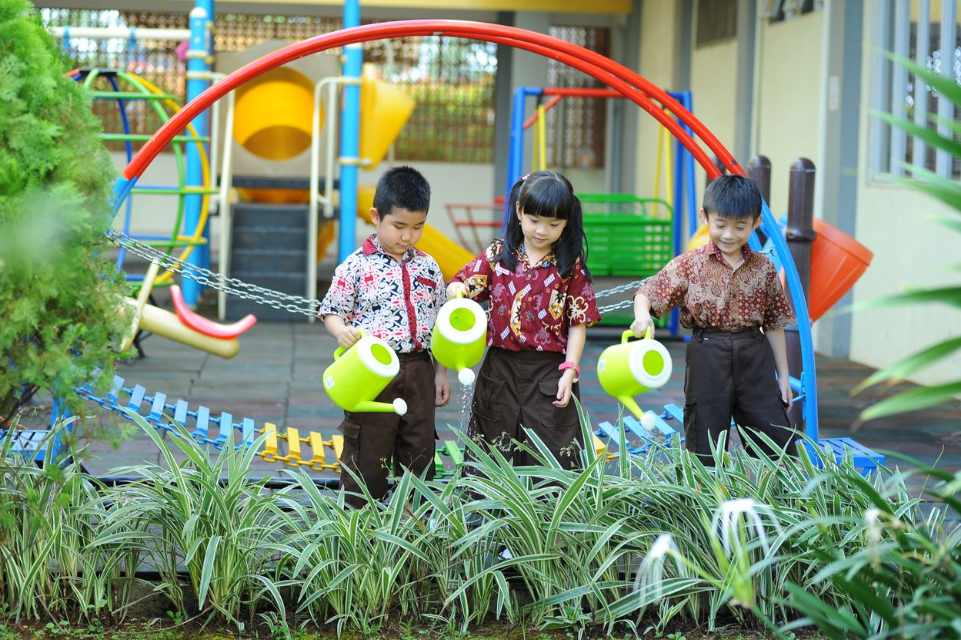
As someone who has spent a great deal of time observing children in different environments, I have come to appreciate that play is far more than a way for children to stay entertained. It is one of the most natural and revealing forms of communication available during childhood.
Long before children can clearly explain their thoughts, feelings, interests, and challenges through words, they often express them through the toys they gravitate toward, the games they invent, the roles they choose to play, and the stories they create during their play experiences. By paying closer attention to these choices, I believe parents, caregivers, and educators can gain valuable insights into a child's cognitive, social, emotional, and physical development.
While it is important not to overanalyze every game or toy preference, patterns in play can often reveal developmental strengths, emerging skills, and areas where additional support may be beneficial.
Importance of Play for Development
When I watch children play, I often notice that they naturally select activities that match their current developmental stage while also challenging them to practice new skills. Unlike structured lessons or formal assessments, play allows children to explore their abilities freely without feeling pressured to perform or meet expectations.
Because play is self-directed and intrinsically motivating, it often provides a more authentic picture of how a child thinks, solves problems, interacts with others, and manages emotions. The choices children make during play can therefore offer clues about how they are developing across multiple domains simultaneously.
Researchers and child development specialists have long recognized that play serves as a critical foundation for learning, helping children strengthen everything from language acquisition and executive functioning to emotional regulation and social understanding. As Fred Rogers famously observed: "Play is often talked about as if it were a relief from serious learning. But for children, play is serious learning." This perspective helps explain why the activities children choose during play can offer such valuable insight into their cognitive, social, emotional, and physical growth.
Building & Construction
Many children are naturally drawn to blocks, construction sets, magnetic tiles, and other building materials. When I observe children who enjoy these activities, I often see them experimenting with spatial reasoning, planning, problem-solving, and persistence.
Children who spend significant amounts of time constructing towers, bridges, cities, or complex structures are frequently practicing skills such as:
- Understanding cause and effect
- Visualizing objects in space
- Planning multiple steps ahead
- Testing hypotheses
- Recovering from mistakes and setbacks
According to Tracy Nelson, senior BCBA at the Little Legends ABA, which is an ABA therapy provider in Charlotte, there are unique cues that help you identify what skills a child is building.
“For example, a child who repeatedly rebuilds a tower after it falls is not simply playing with blocks. That child is often developing resilience, patience, and analytical thinking. The willingness to experiment, fail, adjust, and try again can provide important insights into how a child approaches challenges in other areas of life.”
Construction play may also reveal emerging interests in engineering, architecture, mathematics, and design, although these interests should be viewed as possibilities rather than fixed indicators of future career paths.
Pretend Play & Its Relation With Social Development
One of the most fascinating forms of play to observe is imaginative or pretend play. Whether children are pretending to be doctors, teachers, parents, superheroes, shopkeepers, or explorers, they are often working through complex social and emotional concepts.
When I watch children engage in role-playing activities, I frequently notice them recreating situations they have experienced, observed, or found emotionally significant. Through these imagined scenarios, children often explore relationships, responsibilities, rules, fears, and aspirations.
Pretend play can reveal:
- Understanding of social roles
- Emotional awareness
- Empathy toward others
- Communication skills
- Creative thinking abilities
For instance, a child who enjoys taking care of dolls may be practicing nurturing behaviors and empathy. A child who frequently acts out school scenarios may be processing social interactions and classroom experiences. Similarly, a child who creates elaborate fantasy worlds may be demonstrating advanced creativity and narrative skills.
The themes children revisit repeatedly during pretend play can sometimes provide clues about what currently occupies their thoughts, interests, or concerns.
Physical Play
Some children seem happiest when they are climbing, running, jumping, spinning, balancing, or engaging in active outdoor games. Physical play often provides valuable information about motor development, confidence, sensory needs, and self-regulation.
When children seek out movement-based activities, they may be developing:
- Gross motor coordination
- Balance and stability
- Body awareness
- Risk assessment skills
- Physical confidence
I often notice that children who enjoy physically challenging activities are constantly testing the limits of what their bodies can do. They learn through movement, exploration, and direct interaction with their environment.
At the same time, physical play can reveal how comfortable children are with uncertainty and challenge. Some children eagerly attempt new physical tasks, while others may approach them more cautiously. Neither approach is inherently better, but both can provide useful information about temperament and confidence levels.
Art & Creative Activities
Drawing, painting, sculpting, crafting, and other creative activities often offer a glimpse into how children express ideas and emotions that may be difficult to communicate verbally.
When I observe children engaged in creative play, I am often struck by how differently they approach the same materials. Some focus on precision and detail, while others prioritize experimentation and self-expression.
Creative play can reveal:
- Fine motor development
- Attention to detail
- Imagination
- Emotional expression
- Planning and organization skills
A child who carefully spends an hour drawing intricate details may be demonstrating concentration and patience. Another child who enthusiastically mixes colors and creates abstract designs may be exploring sensory experiences and creative freedom.
The goal is not to judge the quality of the artwork but to understand the process behind it and what that process may indicate about the child's current developmental stage.
Puzzle & Strategy Games
Children who frequently choose puzzles, memory games, board games, and strategy-based activities often provide insight into cognitive development and problem-solving abilities.
These activities may reveal strengths in areas such as:
- Logical reasoning
- Pattern recognition
- Attention span
- Working memory
- Strategic thinking
I have often noticed that some children become deeply absorbed in solving challenges independently, while others prefer collaborative problem-solving experiences. Both approaches can offer meaningful information about learning preferences and social styles.

The way children respond when a puzzle becomes difficult can be just as informative as whether they complete it successfully. Persistence, frustration tolerance, and willingness to seek help are all important developmental indicators.
Repetitive Play
Many adults become concerned when children repeat the same activity over and over again, but repetition is often a normal and beneficial part of development.
When I see children repeatedly stacking blocks, lining up toys, replaying the same story, or engaging in familiar routines, I often view it as evidence that they are mastering specific skills.
Repetitive play can help children:
- Strengthen neural pathways
- Build confidence
- Refine motor skills
- Improve memory
- Gain a sense of predictability and control
However, context matters. While repetition is usually a natural part of learning, extremely rigid patterns that significantly interfere with other activities may warrant further observation and discussion with developmental professionals.
Social Play
The way children choose to interact with peers can also provide valuable developmental information. Some children actively seek group activities, while others prefer solitary play or one-on-one interactions.
These preferences can reflect factors such as:
- Personality traits
- Social confidence
- Communication skills
- Emotional maturity
- Developmental stage
I believe it is important to remember that children develop social skills at different rates. A child who enjoys playing alone is not necessarily struggling socially. In many cases, solitary play reflects a preference for independent exploration rather than a developmental concern.
What matters most is whether children demonstrate flexibility and gradual growth in their ability to engage with others when opportunities arise.
Look for Patterns
One of the most important lessons I have learned is that no single play choice should be viewed as a definitive indicator of a child's development. Children are complex individuals whose interests can shift from week to week or even day to day.
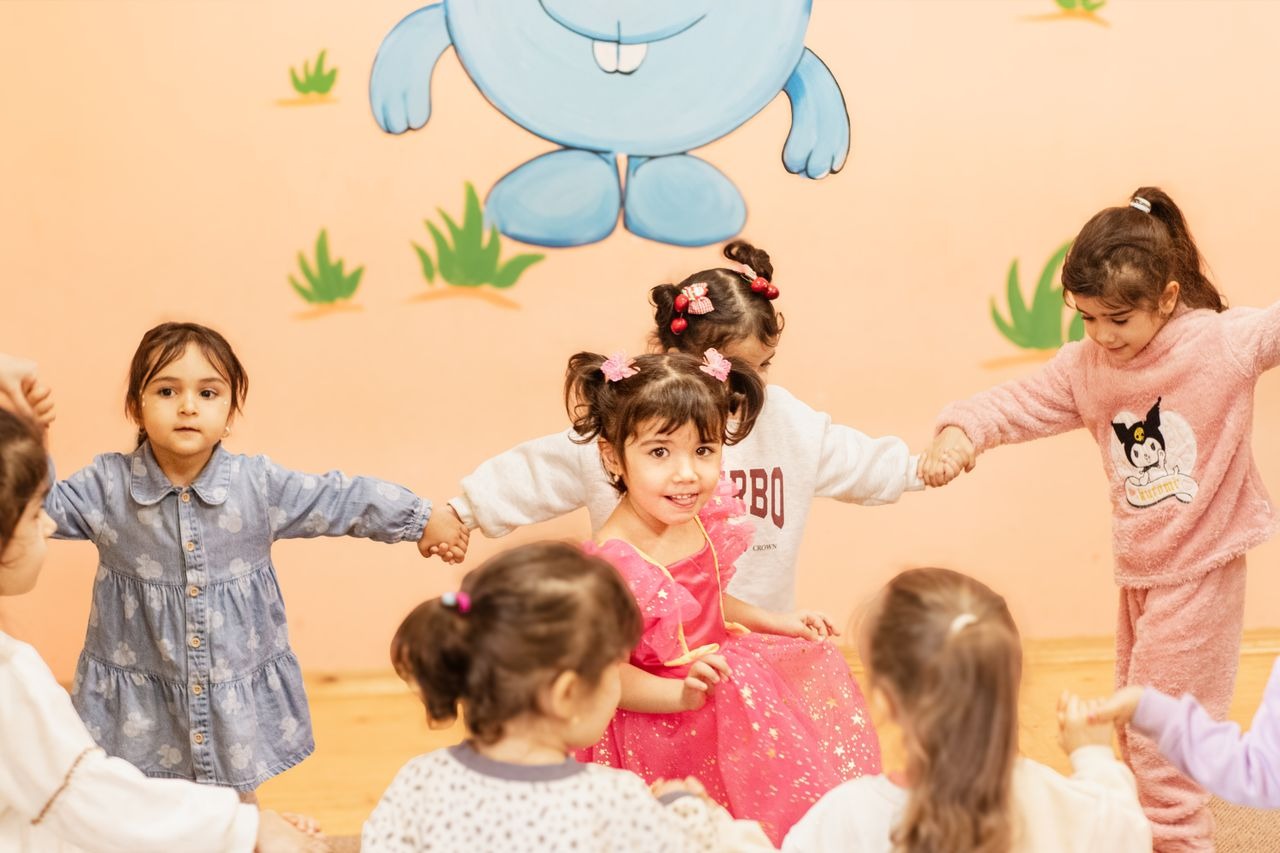
Rather than focusing on isolated behaviors, I find it far more useful to look for recurring patterns that appear consistently over time. These patterns often provide a more accurate understanding of a child's strengths, interests, developmental progress, and areas where additional support may be helpful.
Observing play should never be about labeling children or placing them into rigid categories. Instead, it should be viewed as an opportunity to better understand how they learn, explore, communicate, and make sense of the world around them.
How You Should Observe Children?
Whenever I observe children at play, I am reminded that their choices often communicate far more than adults realize. The games they invent, the toys they select, the stories they create, and the challenges they seek out can all offer valuable clues about their cognitive, emotional, social, and physical development.
By paying attention to these play patterns without rushing to conclusions, parents and caregivers can gain deeper insight into their child's unique strengths and developmental journey. Play is not simply a break from learning; in many ways, it is one of the most important forms of learning that childhood has to offer.