What Is Sports Massage Therapy? Benefits, Uses, and Recovery Tips
If you run a business and try to stay active, you probably know how quickly tension can build. Long meetings, flights, a rushed gym session, and hours at a laptop all add up.
For many Australian founders and SME leaders, workplace wellbeing for founders starts with recognising that the body keeps a record of every skipped stretch and stress-heavy week. Sports massage therapy is one practical tool that may help manage that load. It is not a cure-all, and results vary, but it can support workplace wellbeing when used as part of a broader recovery routine.
This article explains what sports massage involves, how it differs from other types of massage, what the evidence suggests about its benefits and limits, and how to fit it into a demanding schedule.
What Sports Massage Is (and Isn't)
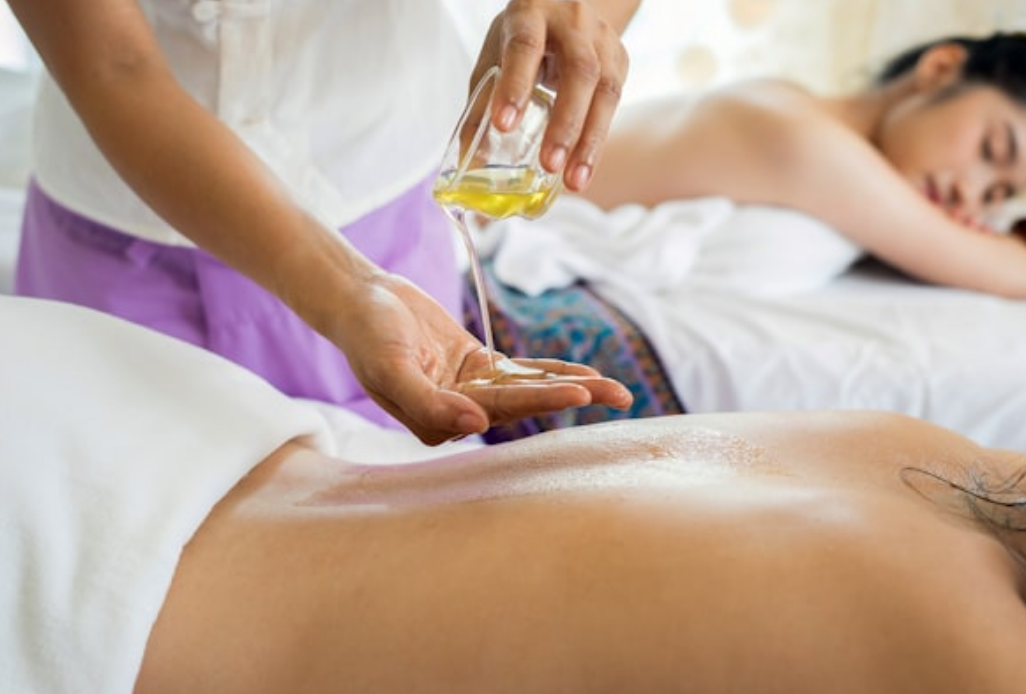
Sports massage is a goal-directed form of hands-on therapy. A therapist uses techniques such as deep tissue work, trigger point release, myofascial release, and assisted stretching to address specific areas of tension, restricted movement, or post-exercise soreness. Sessions are usually tailored to what you need on the day, such as loosening tight hip flexors from sitting or easing calf soreness after a weekend run.
In Australia, professional bodies such as Massage and Myotherapy Australia distinguish sports massage from relaxation massage and remedial massage by its focus on active recovery, event preparation, and managing the physical demands of training.
Remedial massage often targets diagnosed musculoskeletal concerns, while relaxation massage prioritises general stress relief. Sports massage sits between the two: it is more targeted than relaxation work but does not always require a specific clinical diagnosis.
Most sports massage therapists in Australia hold a Diploma of Remedial Massage or equivalent, often with additional training in sports-specific techniques. Qualifications can vary, so it is worth checking a therapist's credentials before booking.
Sports Massage and workplace wellbeing for founders
Founders and SME leaders are not professional athletes, but many deal with a similar pattern: high physical demand layered on top of high cognitive demand. Sports massage can support that reality in a few practical ways.
Reducing Perceived Muscle Tightness
Persistent tightness in the neck, shoulders, or lower back can quietly affect concentration. When your body is uncomfortable, your attention is split. Sports massage may help reduce that perceived tightness, making it easier to settle into long work blocks. This is not a guaranteed cognitive boost. It is simply a way to reduce one physical distraction.
Countering Desk and Travel Stiffness
Long-haul flights, cramped seats, and hours at a desk can all contribute to stiffness. A maintenance sports massage session can focus on areas that often tighten during travel or prolonged desk work, such as the thoracic spine, hip flexors, and forearms. It also complements better work spaces by reducing one form of daily physical friction. Think of it as routine body maintenance for work that asks you to sit, move, travel, and perform under pressure.
Integrating with Training
Many founders run, cycle, swim, or lift weights to manage stress and maintain health. Sports massage can complement a training routine by supporting recovery between sessions and helping you notice areas of tightness before they become harder to manage. The goal is to keep training sustainable alongside work demands, not to push harder.

Benefits and Limits: Setting the Right Expectations
Research reviews published in recent years suggest that massage can produce a small to moderate reduction in delayed-onset muscle soreness, often called DOMS, in the 24 to 72 hours after exercise compared with passive rest alone.
People who receive massage after intense exercise also often report feeling more recovered. These effects can be useful, but they are usually modest and vary between individuals.
Commonly reported benefits include:
- Short-term relief from muscle tension and soreness
- A sense of improved readiness and reduced fatigue
- Greater body awareness, which can help you notice niggles early
- Temporary improvements in range of motion around treated areas
It is also important to recognise the limits. Sports massage is not a replacement for medical care, physiotherapy, or proper rehabilitation after injury. The evidence for direct performance gains, such as increased strength or speed, is mixed. A single session will not undo months of accumulated tension. Consistency matters more than intensity.
When to Book: Pre-Event, Post-Event, and Maintenance
There are three common use cases that founders may find practical.
Pre-event or pre-challenge. If you have a fun run, cycling event, or physically demanding conference week ahead, a lighter sports massage session a day or two before can focus on mobility and muscle activation. This is not the time for deep, intense work.
Post-event or heavy training weeks. After a block of intense exercise or a demanding travel schedule, a recovery-focused session may help manage soreness and support a sense of physical reset. Timing it 24 to 48 hours after the effort is a common approach.
Maintenance. For most founders, this is often the most useful category. A regular session every two to four weeks, scheduled like any other recurring commitment, can help manage baseline tension and catch emerging tightness early.
In all three cases, discuss the intensity and timing with your therapist so the session matches your current needs.
How to Choose a Qualified Sports Massage Therapist
Finding the right therapist matters. Use these practical criteria to guide your decision.
Qualifications. Look for a minimum of a Diploma of Remedial Massage or equivalent, ideally with additional sports massage training. Membership with a professional body such as Massage and Myotherapy Australia can also indicate ongoing professional development and adherence to practice standards.
Experience with your situation. A therapist who works with both active people and desk-based professionals may better understand the combined load of training, travel, and sedentary work.
Communication and consent. Australian allied health practice standards emphasise informed consent, clear communication about what will happen during a session, and respect for your boundaries. A good therapist will explain their approach, ask for your input, and check in regularly during the session.
Hygiene and professionalism. Clean treatment rooms, fresh linen, and proper hand hygiene are basic standards.
If you are reviewing provider websites, look for clear descriptions of therapist qualifications, session length, contraindications, and what to expect before and after treatment. If you are in Australia and want to see how a clinic explains session options and techniques, you can browse sports massage and therapy options as an example of what a service page typically covers, not as medical advice or a guarantee of outcomes. A service page can help you understand how a clinic works, but it should not replace your own due diligence.
What to Expect in a Session
If you have never had a sports massage, here is a simple walkthrough.
Intake and goal-setting. The therapist will ask about your training, work habits, any current discomfort, relevant health history, and what you want from the session. Be honest. The more context you provide, the more useful the session is likely to be.
Assessment. Many therapists do a brief physical assessment, such as checking range of motion or palpating areas of concern, before starting hands-on work.
Hands-on work. Depending on your goals, the therapist may use a mix of deep tissue techniques, trigger point therapy, myofascial release, and stretching. Sessions typically last 30 to 60 minutes.
Communication during the session. You should feel comfortable telling the therapist if the pressure is too much or too little. Some discomfort can happen during deeper work, but it should stay tolerable. Sharp or shooting pain is a signal to speak up immediately.
Aftercare. Your therapist may suggest light movement, hydration, or specific stretches to do in the days after the session. Follow their advice and notice how your body responds.
Safety First: Who Should Skip or Seek Medical Advice
Sports massage is generally safe for healthy adults, but there are situations where you should hold off and consult a qualified health professional first.
Red flags to be aware of:
- Suspected deep vein thrombosis, also known as DVT, or blood clotting disorders
- Acute infection, fever, or feeling unwell
- Open wounds, burns, or skin infections in the area to be treated
- Recent surgery or fractures
- Suspected acute injury, such as a muscle tear or joint sprain
- Undiagnosed lumps or swelling
If you are pregnant or postnatal, tell your therapist before the session. Some techniques and positions need to be modified, and your therapist should have training in pregnancy-safe approaches or refer you to someone who does.
Australian government health resources such as Healthdirect provide reliable guidance on when massage may or may not be appropriate. When in doubt, check with your GP or a relevant specialist before booking.
Recovery Tips Before and After Your Session
A few simple habits can help you get more value from each session.
Before:
- Arrive well hydrated. Dehydrated muscles can feel more tender during deep work.
- Avoid scheduling a new high-intensity workout immediately before a deep session.
- Write down one or two specific goals, such as "my right shoulder has been tight all week," so you can brief the therapist quickly.
After:
- Plan light movement for the rest of the day, such as a gentle walk, easy stretching, or mobility work.
- Avoid intense training for 12 to 24 hours after a deep session. Your muscles need time to respond.
- Pay attention to hydration, sleep, and nutrition in the 24 to 48 hours following the session. These basics support recovery more than any single intervention.
- Notice how you feel the next day. Mild soreness in treated areas is normal and typically fades within a day or two. Anything more severe or unusual warrants a conversation with your therapist or GP.
Make It Work with a Founder Schedule
The biggest barrier for most founders is often time. These tactics can help.
Block recurring slots. Treat your sports massage appointment like any other important commitment. A standing fortnightly or monthly slot is easier to protect than ad hoc bookings.
Keep sessions focused. You do not always need 90 minutes. A 30 to 45 minute targeted session on two or three priority areas can be more useful than a longer, unfocused one.
Consider mobile therapists. Some practitioners can visit your office or home, which removes travel time from the equation.
Combine with team initiatives. If you already invest in team wellbeing, access to sports massage may be one optional benefit to consider within wider employee wellbeing initiatives. Keep it voluntary and make sure staff can choose the support that suits them.
Routine beats intensity. A regular, moderate session every few weeks will usually serve you better than an occasional deep-tissue marathon that leaves you sore for days.
Next Steps
Sports massage is a supportive tool, not a silver bullet. It works best as part of a broader approach that includes regular movement, adequate sleep, sensible training loads, and professional medical care when needed.
If you decide to try it, start with a single session, communicate your goals clearly, and pay attention to how your body responds over the following days. Adjust the timing, intensity, and frequency in conversation with your therapist.
Track what helps and what does not. For persistent pain, suspected injuries, or any health concerns, consult a qualified health professional rather than relying on massage alone. The goal is to build a sustainable rhythm that supports both your work and your body over time.

.jpg)
.webp)