What Should Donors Know Before Supporting a Water Charity?
.jpg)
You want your donation to deliver clean water, not vague promises. Many groups work in this space, but credibility varies, and small details shape real impact.
You should support a water charity only after you confirm a clear mission, transparent finances, measurable results, and accountability to the communities it serves. Look for public reporting on how funds get used, evidence of completed projects, and independent evaluations that support their claims.
Strong charities also explain who funds their work, how they manage operating costs, and how they track long-term outcomes. When you understand these factors, you give with confidence and help ensure your support leads to reliable access to safe water.
Key Takeaways
- Focus on mission clarity, transparency, and verified impact.
- Look for clear financial reporting and independent accountability.
- Give in ways that align your goals with sustained water access.
Key Considerations Before Donating to a Water Charity
When you donate to a water charity, you support efforts to expand access to safe water and respond to the global water crisis. Focus on mission clarity, financial practices, and public reputation to judge whether your contribution will create measurable, lasting results.
Understand the Charity's Mission and Impact
Start by reviewing the charity’s mission statement and case for support. Clear language should explain how the organization improves clean water access and how its work contributes to long-term water access rather than short-term fixes.
Look for specific programs, such as well construction, water system repairs, or hygiene education. Strong charities explain where projects operate, who benefits, and how they measure progress toward ending the water crisis.
Impact reporting matters. Annual reports, project updates, and data on communities served help you see whether results align with the mission. Organizations like charity: water often share project locations and outcomes to show how donations translate into access to safe water.
Assess Financial Transparency and Accountability
Financial transparency shows how responsibly a charity manages donated funds. Review the annual report and IRS Form 990 to understand revenue sources, administrative costs, and program spending.
Pay attention to the program expense ratio, which indicates how much funding supports programs versus overhead. While no single number defines quality, a reasonable balance suggests thoughtful management.
Many donors also value clear explanations of how each dollar is used. Groups such as Never Thirst Water publish financial information and project details to support informed giving and long-term accountability.
Review Charity Rating and Reputation
Independent evaluations add context beyond self-reported data. Charity rating platforms like Charity Navigator assess financial health, governance, and transparency using standardized criteria.
Check how long the organization has operated and whether it maintains consistent leadership. Stability often supports stronger partnerships and better project oversight.
Reputation also reflects donor trust and community relationships. Look for evidence of collaboration with local partners and regular communication with supporters. These factors help you gauge whether the charity can responsibly scale solutions for clean water and sustained water access.
Maximizing Your Support for Water Charities
You can increase impact by choosing the right mix of contributions, prioritizing long-term systems, and supporting programs that pair safe water with sanitation and hygiene. Focus on how your support reaches communities and how projects last after funding ends.
Different Ways to Contribute: Donations, Volunteering, and In-Kind Support
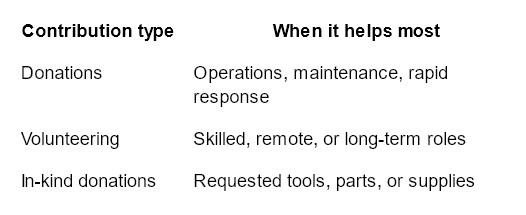
Cash donations give charities flexibility to fund drilling, repairs, monitoring, and local staff. Recurring gifts often support maintenance and data tracking, which reduces project failure. Targeted fundraising can also help scale specific needs, such as pump replacements or community training.
Volunteering adds value when you offer relevant skills like finance, engineering, communications, or monitoring. Short-term, unskilled trips rarely help and can strain local teams.
In-kind donations work best when organizations request them. Unrequested goods can raise shipping and storage costs or miss local standards.
Evaluating Long-Term Solutions and Sustainability
You should favor charities that design projects for decades, not months. Look for plans that include local governance, spare parts access, and trained technicians. These factors keep water points functioning after the initial build.
Strong programs use local resources and collect performance data. Monitoring identifies failures early and protects donor funds. Transparent reporting on uptime, repairs, and costs signals responsible management.
Assess whether projects align with community demand and local water conditions. A well-placed borehole with a maintenance fund outperforms repeated new builds. Sustainability also depends on fair water fees that communities control and understand.
Understanding the Importance of Sanitation and Hygiene
Safe water alone does not stop disease. You should support charities that integrate sanitation and hygiene with water access. Latrines, waste management, and handwashing facilities reduce contamination at the source and in homes.
Hygiene education changes daily behavior. Programs that teach handwashing with soap, safe storage, and menstrual hygiene improve health outcomes and school attendance. These gains persist even during service interruptions.
Sanitation strengthens water investments during the water crisis. Without it, pathogens re-enter water systems and undo progress. Look for projects that measure health indicators and coordinate with local health authorities to sustain results.
Conclusion
You make better decisions when you check a water charity’s mission clarity, financial transparency, and measurable impact before giving. Clear reporting and regular updates help you see how funds support real projects and communities.
You protect your donation by reviewing governance, independent ratings, and how the organization engages donors over time. When you align your values with accountable practices, you support clean water work with confidence and purpose.

.jpg)