Why 2026 Is the Year OSHC Providers Must Retire the Paper Trail
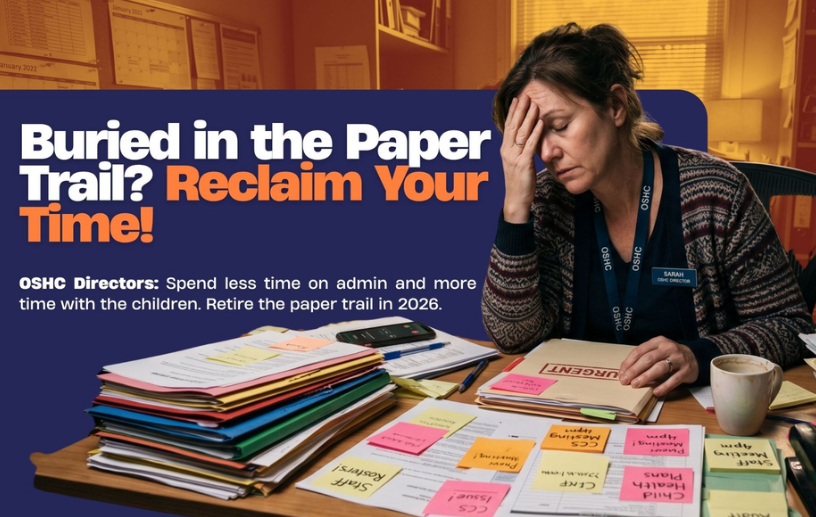
The landscape of Outside School Hours Care (OSHC) has reached a critical tipping point where the traditional methods of management are no longer sustainable. For years, directors and educators have been buried under a mountain of administrative tasks that detract from their primary mission: providing a safe and engaging environment for children. As we move through 2026, the shift toward a comprehensive digital child care management system has become a necessity rather than a luxury for services aiming to remain viable and compliant. This transition is not just about going paperless; it is about creating a functional ecosystem that automates the mundane and allows staff to focus on the human element of care.
Administrative burnout is a very real threat in the childcare sector. Between managing fluctuating attendance, navigating the complexities of government subsidies, and maintaining strict safety ratios, the cognitive load on staff is immense. The "automation of the mundane" is the only logical solution to a growing workload that has historically led to high turnover rates and operational inefficiencies.
The Complexity of CCS Submissions
One of the most significant sources of stress for OSHC administrators is the Child Care Subsidy (CCS) system. The requirements for accurate reporting are rigid, and even a minor clerical error can result in delayed payments or financial discrepancies for families. In the past, this meant hours of manual data entry and cross-referencing attendance sheets with subsidy entitlements.
Modern digital ecosystems like Kidsoft OSHC have fundamentally changed this process. By automating CCS submissions, the software handles the heavy lifting of calculating entitlements and submitting sessions to the government. This "set and forget" approach ensures that submissions are timely and accurate, drastically reducing the risk of human error. When the system handles the math, directors are freed from the desk and can spend more time on the floor with their team and the children.
Digital Attendance Kiosks: Accuracy at the Door
The paper sign-in sheet is perhaps the most iconic symbol of the "old way" of doing things, and it is also the most prone to failure. Smudged signatures, forgotten sign-out times, and lost pages create a nightmare for compliance and billing. In 2026, the digital attendance kiosk has become the standard for professional OSHC services.
These kiosks provide a seamless experience for parents while giving administrators a real-time view of who is in the center at any given moment. Because the data is captured digitally at the point of entry, it flows directly into the billing and reporting modules. This eliminates the need for "double-handling" data, where a staff member would have to manually type up the day’s attendance logs at the end of the shift. The result is a cleaner audit trail and a much faster end-of-month reconciliation process.
Real-Time Classroom Ratios and Safety
Safety is the non-negotiable foundation of any OSHC service. Maintaining the correct educator-to-child ratio is a legal requirement that demands constant vigilance, especially during the chaotic transition periods when children are arriving from different classrooms.
A digital ecosystem provides a live dashboard that monitors these ratios in real-time. As children are checked in via the kiosk, the system automatically calculates the required staffing levels based on current legislation. If a ratio is nearing its limit, the system can alert the director immediately. This proactive approach to safety is far superior to the reactive nature of paper-based tracking, where an educator might not realize they are out of ratio until it is too late. This technological oversight provides a layer of protection for the provider and peace of mind for the families.

Image from Pexels
The Casual Booking Management Nightmare
Managing casual bookings has historically been one of the most time-consuming aspects of OSHC administration. Parents frequently need to add or cancel sessions at the last minute, leading to a flurry of emails, phone calls, and sticky notes.
By utilizing a digital ecosystem, services can empower parents to manage their own casual bookings through a dedicated app. When a parent books a session, the system automatically checks for availability, updates the roll, adjusts the staffing requirements, and recalculates the fees. This self-service model removes the administrator as the "middleman" in every minor transaction. It is a win-win scenario: parents enjoy the convenience of 24/7 booking access, and staff are no longer interrupted by constant administrative pings throughout the day.
Reducing Human Error in Billing
Billing disputes are a major drain on staff morale and parent relationships. Most of these disputes stem from simple human errors, such as misreading a sign-in time or forgetting to apply a discount. When billing is handled manually, these mistakes are almost inevitable over a long enough timeline.
A digital system ensures that billing is a direct reflection of the captured attendance data. There is no guesswork involved. Parents receive clear, transparent invoices that break down the gross fees and the applied subsidies. Because the system is "rules-based," it applies the correct rates for late pick-ups, casual fees, and sibling discounts automatically. This consistency builds trust with the community and ensures the financial health of the service.
Tackling Staff Burnout and Retention
The childcare industry is currently facing a significant workforce challenge. Educators are looking for workplaces that value their professional skills rather than their ability to file paperwork. By removing the administrative "clutter," school administrators can create a much more attractive work environment.
When a director can say to a prospective hire, "We have a system that handles all the CCS and rolls for you," it makes a powerful statement. It shows that the organization is invested in modern tools that support the staff. Reducing the "busy work" allows educators to focus on program planning, outdoor activities, and building meaningful connections with the children. In the long run, this leads to higher job satisfaction and better retention rates.
The Future-Proofing of OSHC
Looking ahead, the regulatory environment for childcare is likely to become even more data-heavy. The government’s move toward digital integration is a clear sign that the paper trail is being phased out at a policy level. OSHC providers who cling to manual systems will find themselves increasingly marginalized and at higher risk of compliance failures.
Investing in a digital ecosystem is not just a fix for today’s problems; it is an insurance policy for the future. As new reporting requirements are introduced, a digital platform can be updated globally to keep the service in line with the law. This agility is something a paper folder can never offer.
Final Thoughts
2026 is the year for OSHC providers to reclaim their time. The tools to eliminate administrative burnout are already here, and they are more accessible than ever. By automating the mundane tasks of billing, attendance, and compliance, services can transform from "paperwork hubs" back into thriving centers of care and development.
The transition to a digital ecosystem is a journey toward professionalization. It signals to parents that the service is modern, secure, and efficient. Most importantly, it honors the educators by giving them back the one thing they need most: the time to actually care for the children in their charge. The era of the paper trail is over, and the era of the empowered OSHC director has begun.