Why Do Growing CPG Brands Outsource Fulfillment Instead of Scaling In-House?: Strategic, Cost, And Speed Advantages
.jpg)
Growth puts pressure on fulfillment fast. As orders rise and channels expand, you face tighter delivery expectations, higher costs, and limited warehouse capacity. Scaling in-house demands capital, systems, and staff at the exact moment speed matters most.
You outsource fulfillment because it gives you faster scale, lower risk, and access to proven logistics infrastructure without heavy upfront investment. A 3PL absorbs volume swings, improves shipping speed, and supports accuracy while you stay focused on product, brand, and demand generation.
Outsourcing also unlocks flexibility. You gain access to established networks, advanced fulfillment technology, and logistics expertise that would take years to build internally, especially as customer expectations continue to rise.
Key Takeaways
- Outsourcing helps you scale fulfillment without large capital commitments.
- 3PL partners improve speed, accuracy, and operational flexibility.
- You stay focused on growth while logistics experts manage complexity.
Key Reasons Growing CPG Brands Outsource Fulfillment
You face rising order volume, tighter delivery windows, and expanding sales channels at the same time. Outsourcing fulfillment helps you scale operations, control costs, streamline the supply chain, and protect focus on revenue-driving work.
Scalability and Flexibility in Fulfillment
Growth rarely follows a straight line. Seasonal spikes, retail launches, and e-commerce promotions can double order volume with little notice. When you rely on third-party logistics (3PL), you gain scalability without committing to fixed warehouse space or permanent labor.
Outsourcing logistics lets you expand or contract capacity as demand changes. You avoid delays tied to facility buildouts or hiring cycles. Many 3PLs also support multi-channel distribution, which helps you ship DTC and retail orders from the same network.
For cpg brands, this flexibility reduces risk. You respond faster to market shifts while keeping service levels stable, even during peak periods.
Cost Savings and Shared Resources
Running fulfillment in-house requires capital. Warehouses, material handling equipment, labor, and software all carry upfront and ongoing costs. Outsourcing converts many of these fixed expenses into variable ones tied to actual volume.
3PLs spread costs across multiple consumer packaged goods clients. You benefit from shared resources such as labor pools, negotiated carrier rates, and warehouse management systems.
Common cost advantages include:
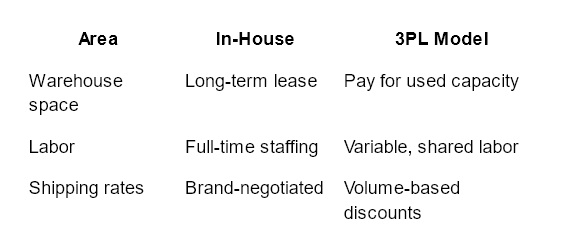
Providers like Atomix Logistics focus on efficient cost structures built for growing brands.
Enhanced Supply Chain Efficiency
Order accuracy and delivery speed directly affect customer retention. As volume grows, fulfillment complexity increases across inventory management, returns, and carrier coordination. Many internal teams struggle to keep pace.
Third-party logistics providers invest heavily in systems and process optimization. You gain access to real-time inventory visibility, standardized picking methods, and proven quality controls. These capabilities improve supply chain efficiency without requiring internal rebuilds.
Outsourced consumer packaged goods fulfillment also supports faster shipping through distributed warehouse networks. You place inventory closer to customers, which reduces transit time and shipping costs while maintaining accuracy.
Focus on Core Business Activities
Fulfillment operations demand constant attention. Labor planning, carrier issues, and inventory discrepancies can pull your team away from growth priorities. When you outsource, you free internal resources to focus on what differentiates your brand.
You can spend more time on product development, marketing, and retail relationships. Leadership shifts from operational firefighting to strategic planning. That focus often supports faster product launches and stronger channel execution.
Many cpg brands view outsourcing as a way to protect momentum. Instead of building logistics expertise in-house, you rely on specialists while keeping ownership of the customer experience.
How 3PL Partners Enable Growth for CPG Brands
You gain scale, speed, and control when a 3PL provider runs fulfillment operations that would strain in-house logistics. The right partner combines technology, process discipline, and flexible warehousing to support DTC and retail growth without adding fixed costs.
Advanced Technology Integration and Real-Time Inventory Visibility
A 3PL connects your order management and sales channels to a warehouse management system (WMS). This technology integration delivers real-time inventory visibility across fulfillment centers, SKUs, and locations.
You track inventory levels, inbound receipts, and inventory replenishment without manual work. Real-time inventory tracking reduces stockouts and oversells while improving demand planning.
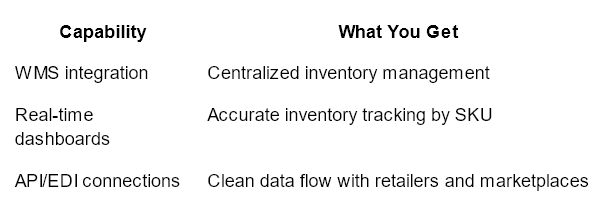
You also gain faster onboarding for new channels. EDI compliance supports major retailers and reduces errors that trigger chargebacks.
Order Fulfillment Accuracy and Fast Shipping
3PL services optimize pick and pack workflows to protect accuracy at scale. Barcode scanning, zone picking, and quality checks reduce mis-picks as order volume grows.
You offer multiple shipping options without building carrier relationships in-house. Many fulfillment providers support 2-day shipping, regional ground optimization, and carrier rate shopping.
Fast shipping improves customer experience for DTC, subscription boxes, and promotions. Accurate order processing lowers returns and customer service costs.
You also benefit from scalable warehousing. Flexible space absorbs seasonal peaks without long-term leases or labor commitments.
Compliance, Reverse Logistics, and Value-Added Services
Retail compliance creates risk when you manage fulfillment alone. A 3PL provider enforces routing guides, labeling, and carton requirements to prevent chargebacks.
You streamline reverse logistics with structured returns processing. The 3PL inspects, restocks, or disposes of inventory based on clear rules.
Value-added services extend beyond basic warehousing and fulfillment:
- Co-packing and kitting for launches
- Lot and expiration tracking for regulated products
- Custom packaging and inserts
You receive a clear fulfillment quote tied to activity, not overhead. This model keeps costs aligned with growth while maintaining control.
Conclusion
You outsource fulfillment when growth outpaces what your internal team can support without delays, rising costs, or added risk. Third-party logistics partners give you scalable capacity, faster shipping, and access to systems that would take years to build in-house.
You keep focus on product, brand, and demand while a 3PL manages inventory accuracy and order flow across channels. This approach lets you scale with control, predictable costs, and service levels that meet customer expectations.

.jpg)