Why Global Leaders Need a Plan for Vehicles When Entering New Markets
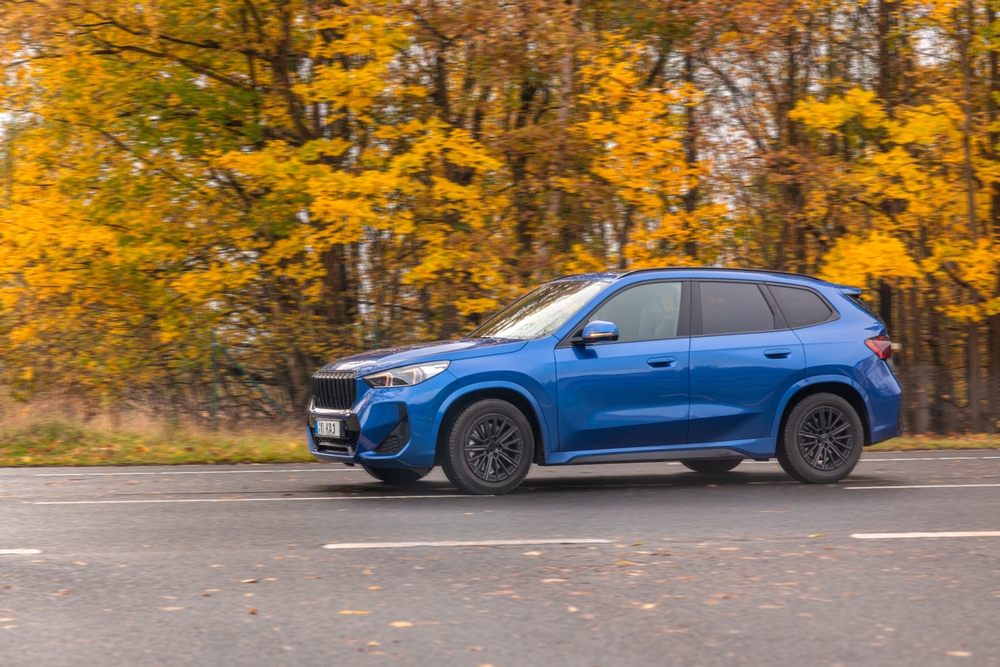
It usually comes up late in the interview, once the serious bits are out of the way. Salary agreed in principle, equity explained (twice), start date pencilled in. Then the candidate leans back and asks: so what's the story with a car?
In London the hiring manager probably has an answer ready. An electric car through salary sacrifice, run by a provider finance already uses, written up in a policy that sits on the intranet and is opened roughly once a year. Ask the same question of a business that has just opened its first office overseas and you may get a pause, then a promise to "come back on that".
That pause is worth thinking about. Car benefits are local creatures. What is routine in Manchester looks different in Munich, and different again in Melbourne or Singapore, because tax treatment, insurance, driving distances and even what counts as a sensible family car all change at the border.
Why Australia keeps coming up
For plenty of UK firms, Australia is the first stop in the Asia-Pacific. The working language is the same, the legal system has familiar roots, and an office in Sydney or Melbourne can cover a good chunk of the region's business hours. So it is often the first market where somebody has to work out a car policy from scratch.
And the distances are genuinely different. Brisbane to Toowoomba is roughly 125 kilometres; Melbourne to Mildura is well over 500. A territory manager based in Perth might think nothing of a day trip that a Londoner would plan like a holiday. For people in those roles a car is closer to equipment than to a perk, which changes how the benefit should be designed.
Novated leasing, without the jargon
Australia's version is called a novated lease. Strip away the name and it is a three-way arrangement: the employee, the employer and a finance company. The employee chooses the car, payments come out of their pay through payroll, and (this is the part people tend to like) the running costs can be folded into the same regular amount. Registration, insurance, servicing. One number per pay cycle, rather than a drawer full of separate bills.
For anyone thinking about a first electric car, electric novated leasing spreads the cost of the vehicle and its upkeep across the term. Is that the right choice for every employee? Probably not; it depends on their circumstances, and independent advice before signing is the sensible step. Employers do their staff a favour by saying that clearly at the outset, rather than leaving it to the small print.
Three things to sort out early
First, find out how people drive, as opposed to how you assume they drive. The account manager covering south-east Queensland and the analyst who walks to a CBD office from a flat nearby want different things from a car scheme. If electric cars are on the table, add the awkward questions too: can they charge at home, how far is the nearest fast charger on their usual route, what happens on the long runs?
Second, explain the benefit as if the reader has never heard of it, because most new arrivals won't have. A single page in plain English does more good than a forty-slide deck. Name a person who can answer questions. Say, in so many words, that joining is optional.
Third, settle eligibility while the team is small. It is much easier to write the rule when there are four people in the office than to untangle six slightly different side agreements later on.
When the lease runs out
Lease terms often run for several years, which feels like an age at signing and surprisingly short at the end. Depending on the agreement, the employee may be able to keep the car, extend, or hand it back and start again. Working out which way they are leaning a few months before the end date saves a rushed decision.
In the meantime, the car deserves a bit of care. Regular servicing, a folder (or an email label) for receipts, and a habit of treating the vehicle as something you might well own one day. Leased cars normally come with conditions on modifications, so check the agreement before fitting any extra equipment. Once the car is paid off and in your name, those choices are yours.
A word on security
Owners in Australia have their own reasons to think about vehicle security. A ute (or a hatchback, for that matter) might sit at a regional worksite for a week. Cars get left in airport long-stay while their owners fly to Singapore for a conference. Out past the suburbs, the nearest help can be a long way off.
Not every tracker does the same job, so it helps to compare a handful of things: how fresh the location data is, what kinds of alerts can be set up, whether the app is pleasant enough that you will actually open it, and who answers the phone when something goes wrong.
Searching for the best GPS tracker for car Australia will bring up devices with real-time location in a smartphone app, alerts for unauthorised movement and geofence breaches, crash detection, and customer support based in Australia. Check the specifications against how the car is really used before buying.
Getting it right
None of this needs a large budget or a consultant. What it needs is a little curiosity about how staff in a new market actually live and work, and the patience to write things down clearly.
Do that, and when the next candidate in Brisbane or Perth leans back and asks about a car, the answer will come without a pause.