Why Improper Tie Downs Turn Standard Commercial Cargo Into Highway Artillery
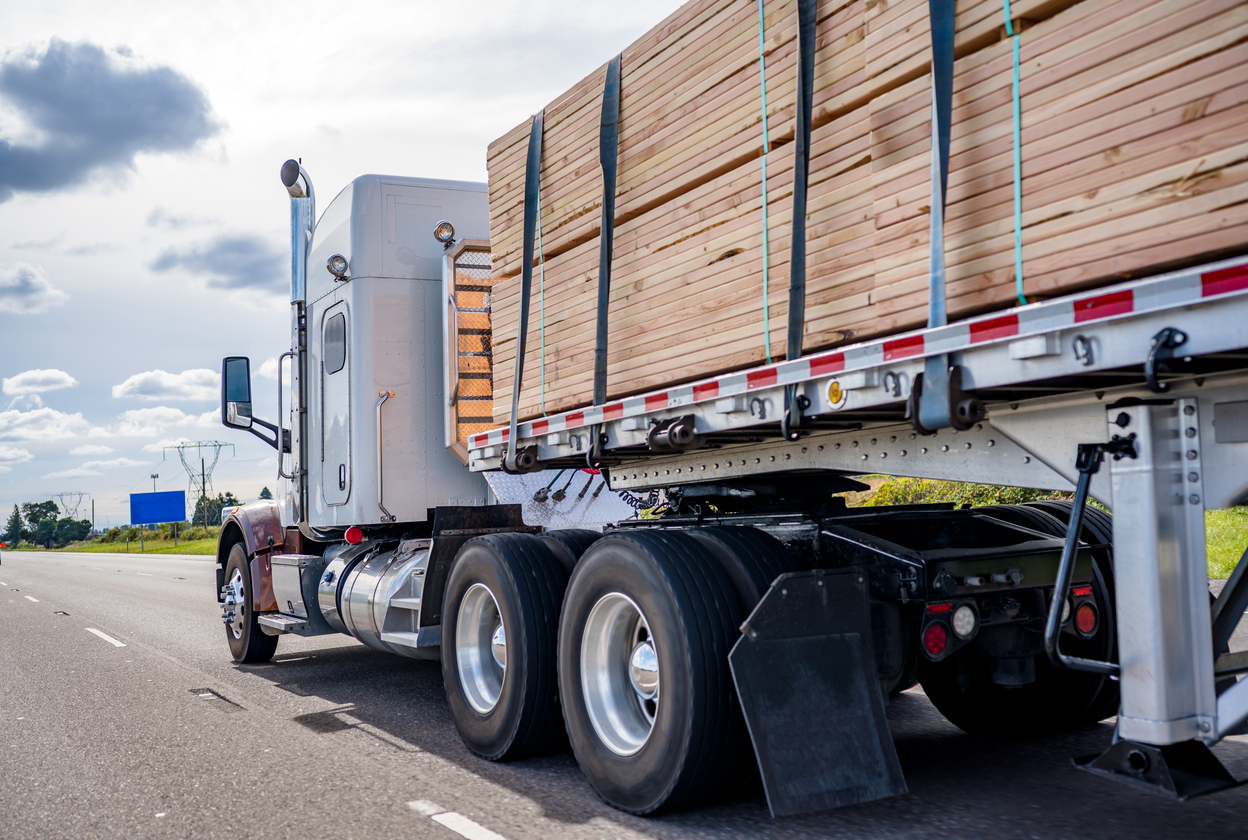
Every day, commercial trucks transport enormous amounts of freight across the country. Flatbed trailers haul everything from construction materials and steel beams to industrial equipment and oversized machinery, often traveling hundreds of miles at highway speeds.
Moving these loads safely requires much more than simply placing cargo on a trailer. Drivers, loading crews, and transportation companies must work together to ensure every piece of freight is properly secured before the vehicle leaves the yard.
When that process breaks down, the consequences can be devastating. A loose load can shift unexpectedly, fall into traffic, or cause a driver to lose control of the vehicle. The damage caused by cargo truck accidents is often severe because of the size, weight, and momentum involved when heavy freight becomes unstable on a busy roadway.
Federal Rules Exist for a Reason
Commercial cargo isn't secured based on guesswork. Federal regulations establish detailed requirements that trucking companies must follow when transporting freight of various sizes, weights, and configurations.
Different types of cargo require different securing methods. Heavy machinery may require chains and specialized anchor points, while construction materials often rely on straps, binders, and protective devices designed to prevent shifting during transit.
These rules were created because improperly secured freight creates serious risks for everyone on the road. Compliance helps reduce the likelihood of cargo movement, trailer instability, and dangerous situations that can lead to major accidents involving multiple vehicles.
Shifting Weight Can Change Everything
Even when cargo remains on the trailer, movement inside the load can create significant hazards. A truck's handling characteristics depend heavily on maintaining a stable center of gravity throughout the trip.
When freight shifts unexpectedly during a turn, lane change, or emergency maneuver, the balance of the vehicle can change almost instantly. That sudden movement places additional forces on the truck and may affect steering, braking, and overall stability.
Drivers have limited ability to compensate when thousands of pounds move unexpectedly. In some cases, shifting cargo contributes to rollovers, jackknife events, or loss-of-control crashes that place surrounding motorists at risk.
Falling Debris Creates Immediate Danger
Not every cargo-related accident involves the truck itself crashing. Sometimes the greatest danger comes from objects that separate from the trailer and enter active traffic lanes.
A loose ladder, steel beam, pallet, or piece of equipment can become a serious hazard when traveling at highway speeds. Drivers behind the truck often have only seconds to react, especially in heavy traffic conditions.
These incidents can trigger chain-reaction crashes involving multiple vehicles. Even relatively small objects can cause extensive damage when they strike a windshield or force a driver into an evasive maneuver. Proper cargo securement helps prevent these avoidable roadway dangers.
Responsibility Often Extends Beyond the Driver
Many people assume the truck driver is solely responsible whenever cargo becomes loose. In reality, commercial transportation often involves multiple parties who contribute to the loading and transportation process.
Independent loading crews, warehouse operators, shipping companies, freight brokers, and trucking companies may all play a role in determining how cargo is prepared and secured. If mistakes occur during loading, responsibility may extend far beyond the person behind the wheel.
Investigating these cases often requires reviewing shipping records, loading procedures, inspection reports, and other documentation. Determining who was responsible for securing the load is frequently a key issue in cargo-related accident claims.
Conclusion
Commercial freight transportation is essential to the economy, but it also carries significant responsibilities. Proper cargo securement protects drivers, transportation companies, and the countless motorists who share the road with commercial trucks every day.
Federal regulations, careful loading practices, and thorough inspections all exist to prevent loads from shifting or becoming detached during transit. When those safeguards fail, the consequences can be severe.
Holding negligent parties accountable encourages safer practices throughout the transportation industry. Strong enforcement and proper oversight help reduce preventable accidents and promote safer highways for everyone traveling alongside commercial vehicles.


.jpg)