Why you should sell books to declutter
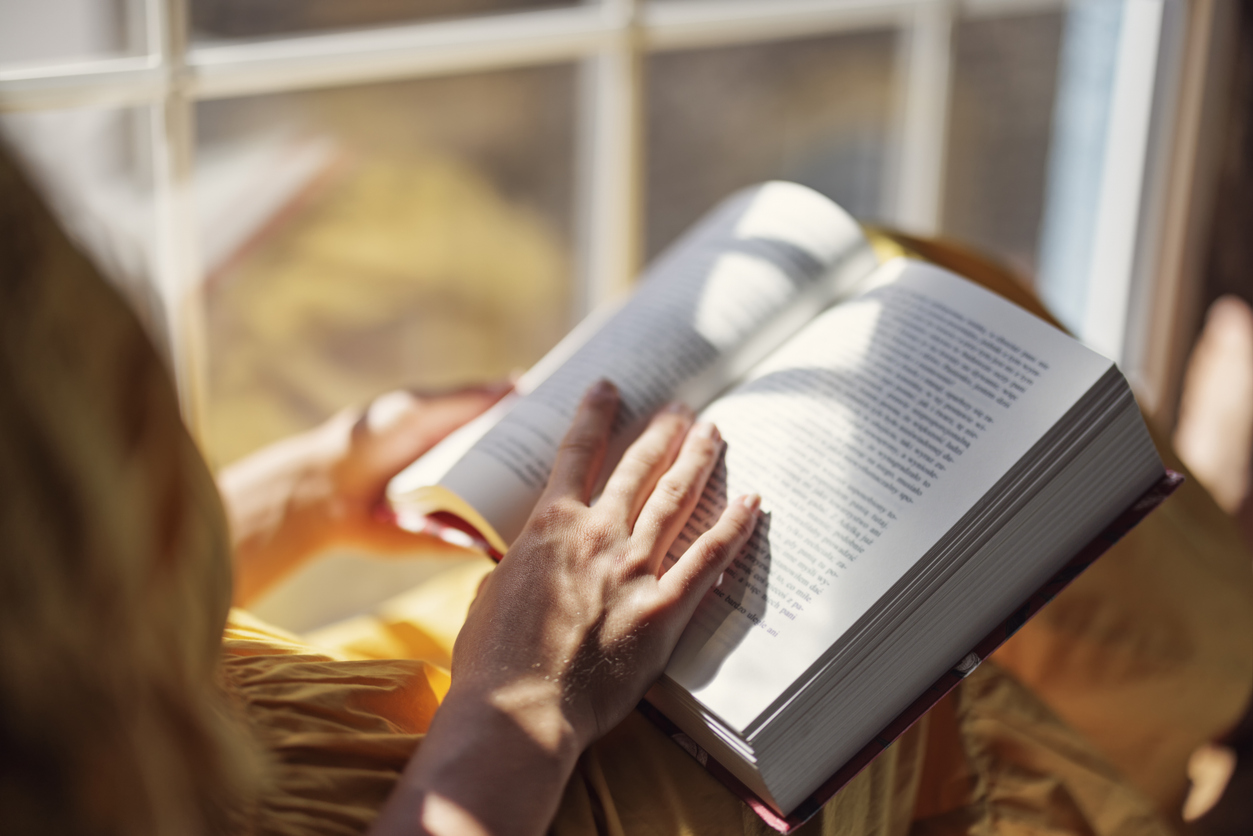
Books can be wonderful companions. They educate, entertain, inspire, and sometimes even change the way we think. Yet many of us have shelves, cupboards, lofts, and spare rooms filled with books that we no longer read, no longer enjoy, and may never open again. While it can be difficult to part with them, selling unwanted books is one of the simplest and most effective ways to declutter a home. And it's easier than ever, with platforms such as the WeBuyBooks App.
The first benefit is obvious: more space. Books are surprisingly bulky. A collection that has built up over many years can occupy entire walls, boxes, or storage units. Every book takes up physical space that could be used for something more valuable or simply left empty. Decluttering is not just about making room for new possessions; it is about creating a calmer, more organised environment. By selling books that no longer serve a purpose, homeowners can free up shelves, reduce visual clutter, and make rooms feel larger and more inviting. Do you really need all those old volume. Much better to Sell Business Books.
A second advantage is that selling books can generate extra income. Most people have at least a few books with resale value. Whether they are recent bestsellers, textbooks, specialist reference works, or collectible editions, unwanted books can often be turned into cash. The amount earned from a single book may be modest, but the value of an entire collection can quickly add up. That money can then be used for something more meaningful, whether it is a holiday, a household improvement project, or simply reducing monthly expenses.
Selling books is also environmentally responsible. When books sit untouched in a cupboard, they are not providing value to anyone. By selling them, owners give those books a second life. Someone else can read, enjoy, learn from, or collect them. This extends the useful life of the product and reduces waste. In a world increasingly focused on sustainability, reusing and recirculating items is often a better choice than leaving them forgotten in storage.
Many people keep books because they feel guilty about getting rid of them. Perhaps the book was expensive, was given as a gift, or represents an aspiration to learn a particular subject. However, holding onto a book does not recover its original cost, nor does it make someone more likely to read it in the future. A useful question is whether the book has been opened in the last few years and whether there is a realistic intention to read it soon. If the answer is no, selling it may be the most sensible option.
Decluttering books can also have psychological benefits. Research and personal experience alike suggest that excessive clutter can create feelings of stress and overwhelm. Every shelf packed with unread books can become a visual reminder of unfinished ambitions and neglected tasks. By keeping only books that are genuinely valued, people can create a collection that reflects their current interests and priorities rather than their past intentions.
Another reason to sell unwanted books is that tastes change over time. The novels, hobbies, and subjects that fascinated someone ten years ago may no longer hold the same appeal today. Personal libraries should evolve alongside their owners. Rather than storing books out of habit, it can be liberating to curate a collection that represents who you are now. This approach allows each remaining book to have greater significance and purpose.
Selling books can also encourage better purchasing habits in the future. When people become more selective about what they keep, they often become more thoughtful about what they buy. Instead of accumulating books that may never be read, they focus on titles that genuinely interest them. This creates a virtuous cycle of reduced clutter and more intentional ownership.
Of course, not every book should be sold. Favourite novels, treasured gifts, family heirlooms, and frequently used reference books may deserve a permanent place in the home. The goal is not to eliminate books altogether but to ensure that every book earns its place on the shelf.
Ultimately, selling unwanted books is about more than making money or creating space. It is about simplifying life, reducing clutter, helping others discover books they will enjoy, and ensuring that possessions remain useful rather than forgotten. A well-curated bookshelf is often more satisfying than an overcrowded one. By letting go of books that are no longer needed, people can create a home that feels lighter, tidier, and more aligned with the life they want to live.