Buying Property in Phuket for Part-Time Living: How to Choose a Home That Works When You Are Away
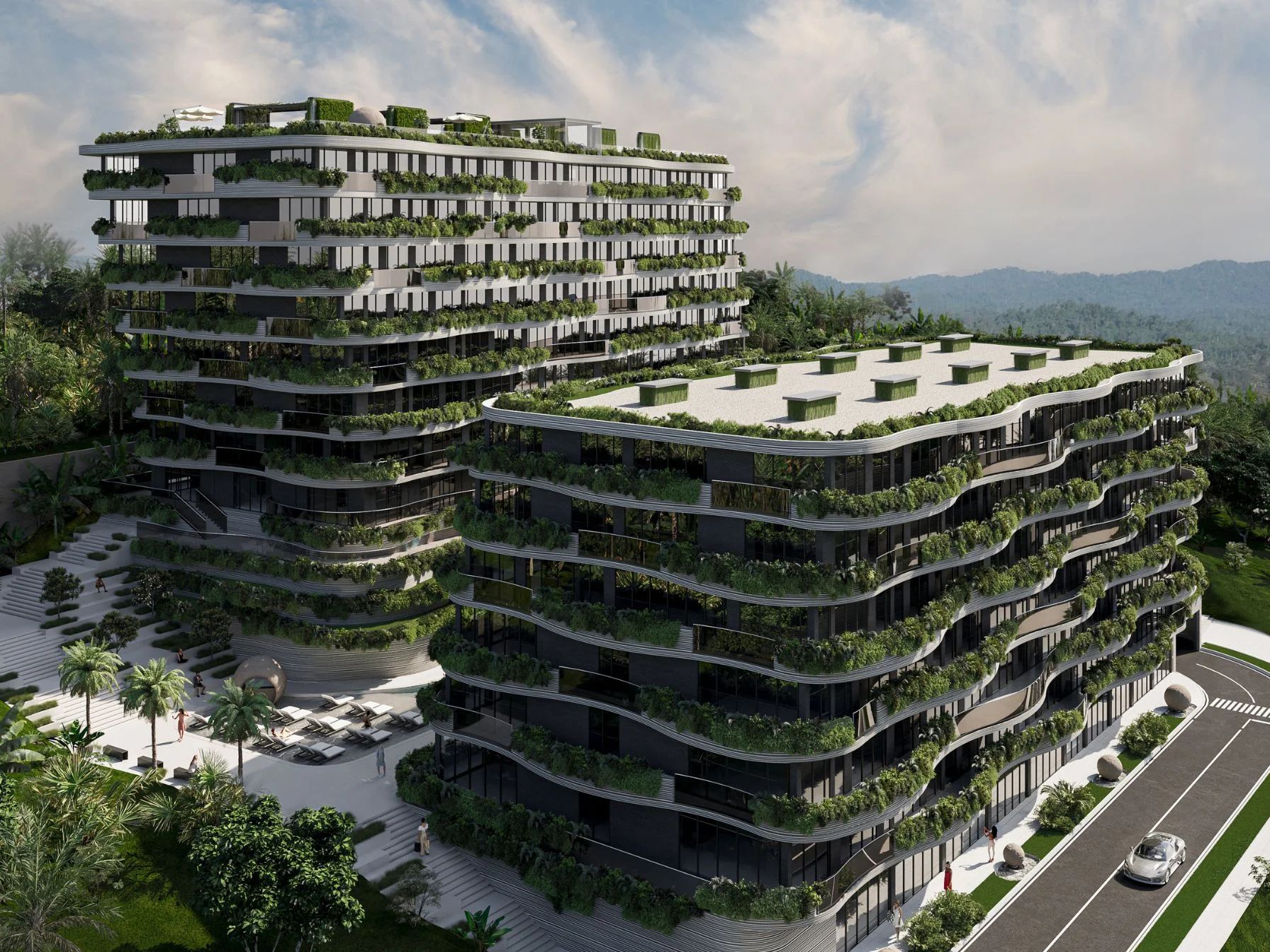
A home that works beautifully for a two-week stay can become surprisingly demanding when it sits empty for months at a time. For part-time owners in Phuket, security, climate resilience and dependable local oversight matter just as much as layout, view or proximity to the beach.
Why Part-Time Ownership Changes the Brief
A home used for several weeks at a time has a different job from a permanent residence or a property bought purely for rental income. It has to feel comfortable on arrival, yet it also needs to cope with long periods when nobody is there to notice a leaking pipe, a failed air-conditioning unit or a gate that no longer closes properly. That makes ease of ownership a core selection criterion rather than an afterthought.
For anyone considering property for sale in Phuket, the practical question is not simply whether the home feels appealing during a short viewing, but whether it can remain secure, ventilated and properly supervised during a long absence. A large garden, private pool and multiple terraces may be attractive while the owner is on the island, but every additional system also creates another maintenance task. A smaller managed residence can therefore be the stronger choice even when it offers less private space.
The intended pattern of use should be clear before listings are compared. A buyer who visits three times a year needs stronger lock-up-and-leave management than a household spending several months on the island. A rental-first owner will place more weight on guest turnover and operational flexibility.
Choosing the Right Level of Oversight
The management model often matters more than the age of the building. A well-run older residence with staff on site can be easier to own remotely than a newer standalone villa where every repair depends on the owner finding and supervising a contractor. What matters is knowing who notices a problem, who has authority to act and how quickly the owner is informed.
Three common ownership formats create very different levels of oversight:
- A managed condominium or residence usually provides common-area staff, controlled access and a clear contact point for building issues.
- A villa inside a gated estate may combine private space with shared security, estate maintenance and an on-site management team.
- A standalone house gives the owner the most control, but security, garden care, pool service and emergency access normally have to be arranged separately.
Design Features That Reduce Problems While the Home Is Empty
Phuket's tropical conditions reward buildings that deal well with heat, moisture and heavy rain. Deep roof overhangs, sensible shading, effective drainage and cross-ventilation can reduce stress on finishes and equipment, while badly exposed façades or poorly drained outdoor areas can deteriorate quickly. The same applies to external timber, metal fittings and pool equipment, all of which need a maintenance regime suited to the climate.
Before purchase, the low-maintenance qualities of the property can be checked through a practical set of details:
- drains and gutters that can be inspected and cleaned easily;
- air-conditioning systems with accessible service points;
- windows and doors that seal properly against driving rain;
- outdoor finishes that are appropriate for sun and moisture exposure;
- secure storage that can be locked separately from guest areas;
- pool, pump and water systems with a documented service routine.
A viewing after rainfall can reveal ponding water, blocked drains and damp smells that are invisible in dry weather. These signs do not automatically disqualify a home. They help distinguish routine maintenance from a recurring design weakness.
Running the Property From Abroad
Remote ownership works best when routine tasks are scheduled rather than triggered by visible problems. Air-conditioning units need servicing, traps and drains should not be allowed to dry out indefinitely, and a closed property still requires periodic checks for leaks, insects, humidity and electrical faults. A written inspection schedule creates accountability and makes small changes easier to spot.
The owner also needs a practical authority structure. Someone must be able to enter the property, approve a minor repair within an agreed limit and contact a specialist when a larger problem appears. Without that arrangement, a simple fault can remain unresolved until the next visit or become expensive because every decision waits for international communication.
A typical remote-management setup covers the following functions:
- scheduled interior inspections with dated photo reports;
- cleaning and airing before and after periods of vacancy;
- pool and garden maintenance where applicable;
- utility monitoring and alerts for unusual consumption;
- key control and authorised emergency access;
- a pre-agreed approval limit for small repairs.
Reading Management Agreements and Community Rules
A managed property can be easy to own only when the scope of service is clear. Marketing language such as full service or worry-free ownership has little value unless the agreement states what is included, what costs extra and how quickly urgent issues are handled. Recurring charges should be assessed together with the work they fund, not simply compared by headline amount.
The documents should show responsibility for shared roads, security, landscaping, building insurance, common utilities and major repairs. They should also explain how charges can be increased, whether a reserve fund exists and what happens when owners fail to pay. In a villa estate, the rules may also control exterior alterations, short-term rentals, pets, parking or contractor access.
Balancing Comfort, Rental Flexibility and Resale
A part-time home should still make sense if circumstances change. An owner may initially plan to use the property personally, then spend less time in Thailand, rent it for part of the year or decide to sell. Features that support more than one use reduce the risk of owning a highly personal property with a very narrow market.
Resilient choices combine manageable maintenance with broad practical appeal. Sensible bedrooms, secure parking, good access and professional management work for owners, tenants and future buyers. Highly specialised design can narrow that audience.
A successful part-time home behaves predictably both when it is occupied and when it is empty. Its management, physical design and running costs remain easy to understand and control from a distance. That quality is difficult to photograph, but it often determines whether overseas ownership feels straightforward or becomes a recurring administrative burden.