Safeguarding Marine Assets: Essential Risk Mitigation Protocols for High-Net-Worth Portfolios
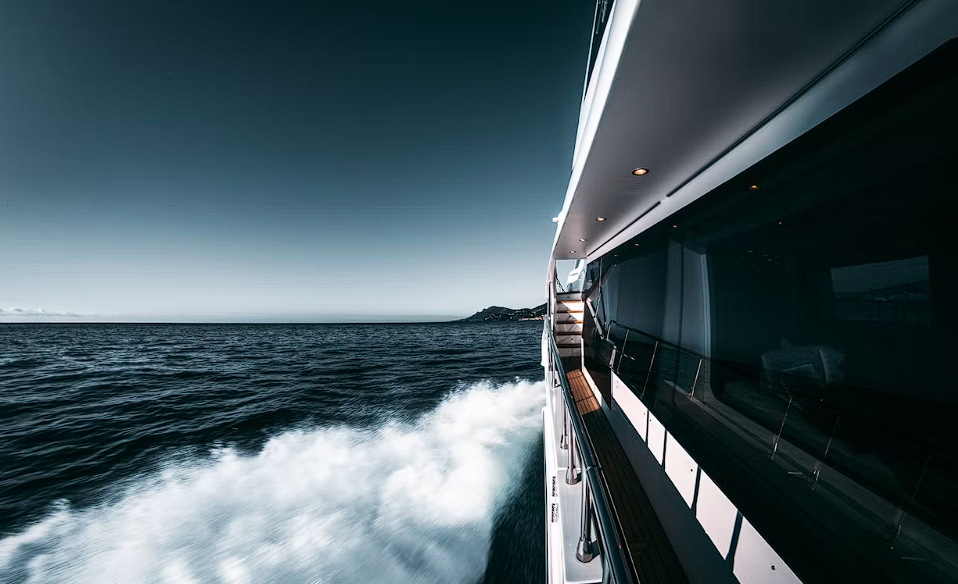
Owning a luxury marine asset like a yacht or a high-performance vessel is a significant achievement and a substantial part of a high-net-worth portfolio. These assets represent more than just a purchase; they are complex investments that come with a unique set of risks. Protecting them requires a proactive and multi-faceted approach that goes far beyond simply docking them safely. For owners, ensuring the long-term value and enjoyment of their vessel means implementing robust risk mitigation protocols tailored to the maritime environment.
Beyond the Purchase: Understanding the Full Spectrum of Risk
The moment you take ownership of a marine vessel, you also take on a range of potential liabilities. The most obvious risks are physical, including damage from storms, collisions, or fire. However, the spectrum of risk is much broader. Modern yachts are equipped with sophisticated technology, making them vulnerable to cyber threats that could compromise navigation or control systems.
Liability is another major concern. An incident on the water can lead to claims for property damage, personal injury, or environmental harm. These risks are not static; they change depending on where you travel, the crew you employ, and even the season. A comprehensive risk assessment should be the first step for any owner, identifying potential exposures from the engine room to the helm.
The Role of Comprehensive Insurance Coverage
A foundational element of any risk mitigation plan is proper insurance. Standard policies often fall short of covering the unique exposures associated with high-value marine assets. You need specialized coverage that accounts for the vessel's value, its intended use, and its navigational range. For example, a policy should include protection and indemnity (P&I) coverage, which addresses third-party liabilities like injuries to guests or crew. When looking for a policy, a solid boat insurance plan is the starting point, but it should be augmented with coverage for things like wreck removal, pollution liability, and even political risk if you plan to navigate international waters. Working with a specialist who understands the marine industry is key to closing any gaps in your coverage.
Proactive Maintenance and Crew Management
The best way to manage risk is to prevent incidents from happening in the first place. A rigorous and documented maintenance schedule is non-negotiable. This goes beyond routine engine checks and includes regular inspections of safety equipment, hull integrity, and all onboard systems. Following the manufacturer's recommended service intervals not only ensures reliability but also demonstrates due diligence in the event of a claim.
Your crew is your first line of defense on the water. Proper vetting, training, and management are critical. Ensure your captain and crew hold the appropriate certifications for the vessel's size and cruising area. Regular drills for emergencies like fire or man-overboard situations keep skills sharp and prepare the crew to act decisively when it matters most. A professional, well-managed crew is one of the most effective risk-reduction tools you have.
Navigating Legal and Liability Hurdles
The legal structure of your vessel's ownership can have significant implications for liability. Many owners choose to hold their marine assets within a limited liability company (LLC) or another corporate entity. This can help separate the asset from your personal wealth, offering a layer of protection. This is a core tenet of asset protection for high-net-worth individuals and is particularly relevant for mobile, high-value assets.
The "flag state" or country where the vessel is registered also plays a crucial role. Different jurisdictions have different regulations regarding safety standards, crew requirements, and taxation. Choosing the right flag is a strategic decision that should be made with advice from legal and maritime experts to ensure compliance and optimize your liability position.
Integrating Marine Assets into Your Overall Wealth Strategy
Ultimately, protecting a marine asset shouldn't be an isolated task. It should be fully integrated into your broader financial plan. This approach ensures that the strategies you use to protect your vessel align with your overall goals for wealth preservation and growth. Effective risk management strategies for wealth consider all major assets, including luxury items like yachts, and create a cohesive plan to shield them from potential threats. This might involve coordinating between your insurance advisor, financial planner, and legal counsel to ensure every aspect of ownership is managed effectively.
Viewing your vessel as a key component of your portfolio helps you apply the same level of strategic thinking to its protection as you do to your other investments. This holistic view ensures that your marine asset remains a source of enjoyment and not an unforeseen financial drain.
With careful planning and a proactive mindset, you can effectively safeguard your marine assets. This approach not only protects a significant investment but also ensures you can continue to enjoy your time on the water with confidence.
Image credit Unsplash