Why Conference Speakers Can Make or Break a Business Event
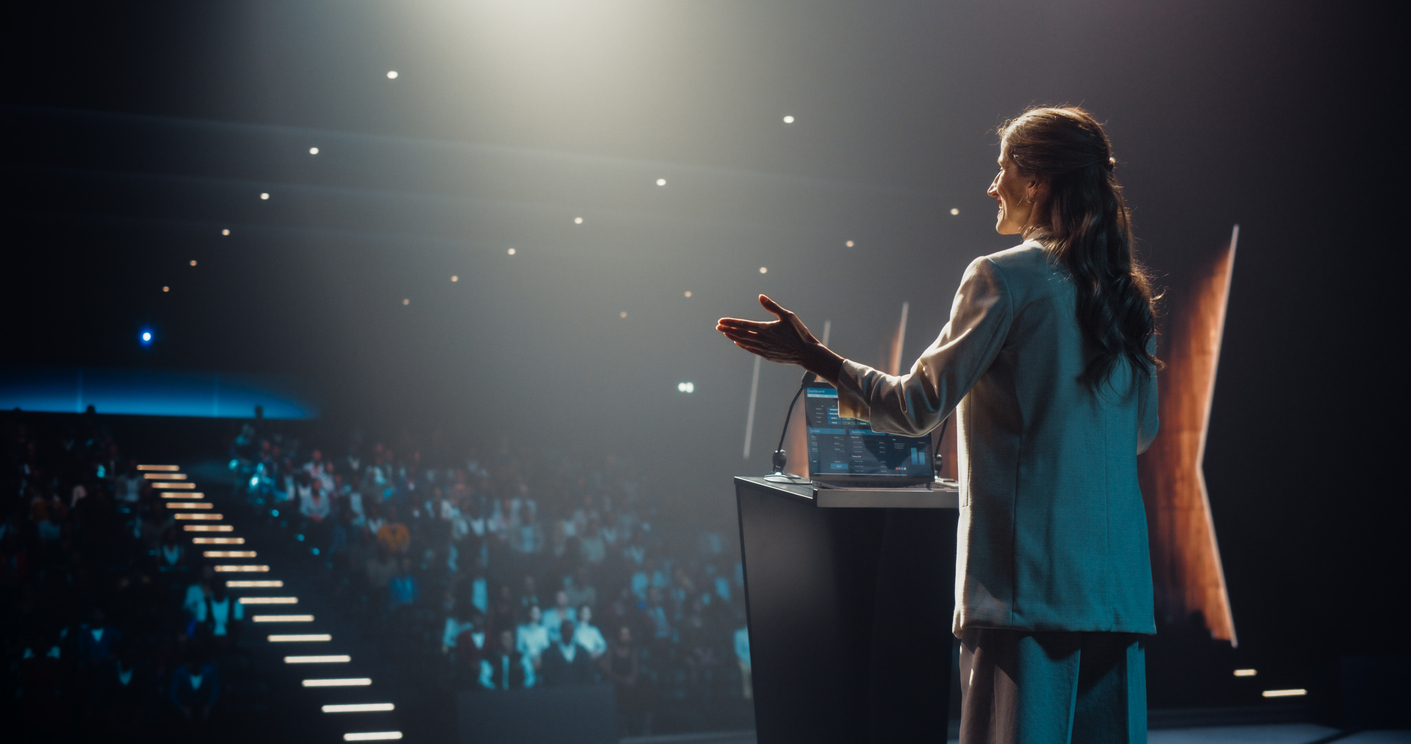
An annual company conference or sales kick-off for several hundred people is one of the largest single investments many organisations make each year. The venue, catering, travel and accommodation add up quickly, and the biggest cost rarely appears on an invoice: hundreds of people stepping away from their day jobs for a day or two.
Whether that investment pays off depends heavily on who stands on the stage. Weak speakers lead to low engagement, empty seats after lunch and messages nobody remembers by the time delegates reach the car park. Strong speakers set the tone, hold the room and are often what attendees remember most.
Every Slot on the Agenda Has a Job to Do
A well-built programme treats each speaking slot as a distinct role rather than a gap to fill.
The opening keynote sets the theme. It explains why everyone is in the room and gives the rest of the day a thread to follow. That calls for a speaker who can connect a big idea to the organisation's own priorities.
Expert sessions carry the substance. This is where industry specialists, senior leaders or outside authorities go deeper into strategy, technology, markets or customers. Their value lies in practical detail the audience can use.
The closing keynote sends people away energised. After a long day, a motivational keynote speaker can lift the room, draw the threads together and leave delegates with something to act on when they return to their desks.
The host or moderator holds it all together. A skilled host keeps sessions to time, links one talk to the next, steers panel discussions and handles technical hiccups without losing the audience.
What Separates a Strong Speaker from a Costly Mistake
Relevance comes first. A speaker's subject and experience should match both the theme of the event and the people in the audience, because a sales team, a group of engineers and a room of finance directors respond to very different stories. Credibility matters too, whether it comes from achievement in business, sport, science or public life. Experience with large audiences is essential: commanding a hall of several hundred delegates is a different skill from presenting to a board. The best speakers also tailor their content to the industry and are comfortable taking unscripted questions in the Q&A.
When these qualities come together, the benefits reach well beyond the day itself. A recognised name gives the marketing team something to promote and can help drive registrations for industry events. An engaging speaker keeps delegates in their seats through the afternoon. Memorable moments are shared on LinkedIn and other platforms, extending the event's reach to people who were not there. Above all, a well-briefed speaker reinforces the company's key messages from an independent perspective.
The wrong choice can undo much of that. A speaker who does not match the audience can leave the room bored or feeling talked down to. A generic talk, delivered unchanged at event after event, rarely connects with a specific business challenge. And a famous name with little substance may hold attention for the first ten minutes, but it gives people nothing to take back to work.
How to Secure the Right Speaker for a Large Event
Start early. In-demand speakers are often booked months in advance, particularly during the busiest conference seasons. Plan the budget realistically: beyond the fee itself, allow for travel, accommodation and audio-visual requirements such as staging, lighting and screens. Brief the speaker thoroughly on the audience, the event's objectives and the messages the organisation wants to land, and arrange a preparation call before the day. Then agree the details in a contract, covering timings, content, recording rights, social media use and cancellation terms.
A speaker booking agency can take much of the strain out of this process by drawing up shortlists, checking availability and negotiating on the client's behalf. CSA Celebrity Speakers, for example, has served clients since 1983 from offices in Burnham, Buckinghamshire and in London, matching speakers to conferences, awards ceremonies and leadership away-days. Its roster ranges from record-breaking athletes and Olympians to visionary entrepreneurs, and its virtual formats, including webinars, round tables and masterclasses, suit organisations that need to reach teams in several locations. For organisers who want expert guidance rather than a long list of names, the CSA celebrity speakers agency is a sensible first call.
Get the speakers right, and a conference becomes far easier to justify: delegates stay engaged, the key messages stick and the investment delivers a genuine return.