Choosing the Right High Frequency Welding Machinery for Your Industry
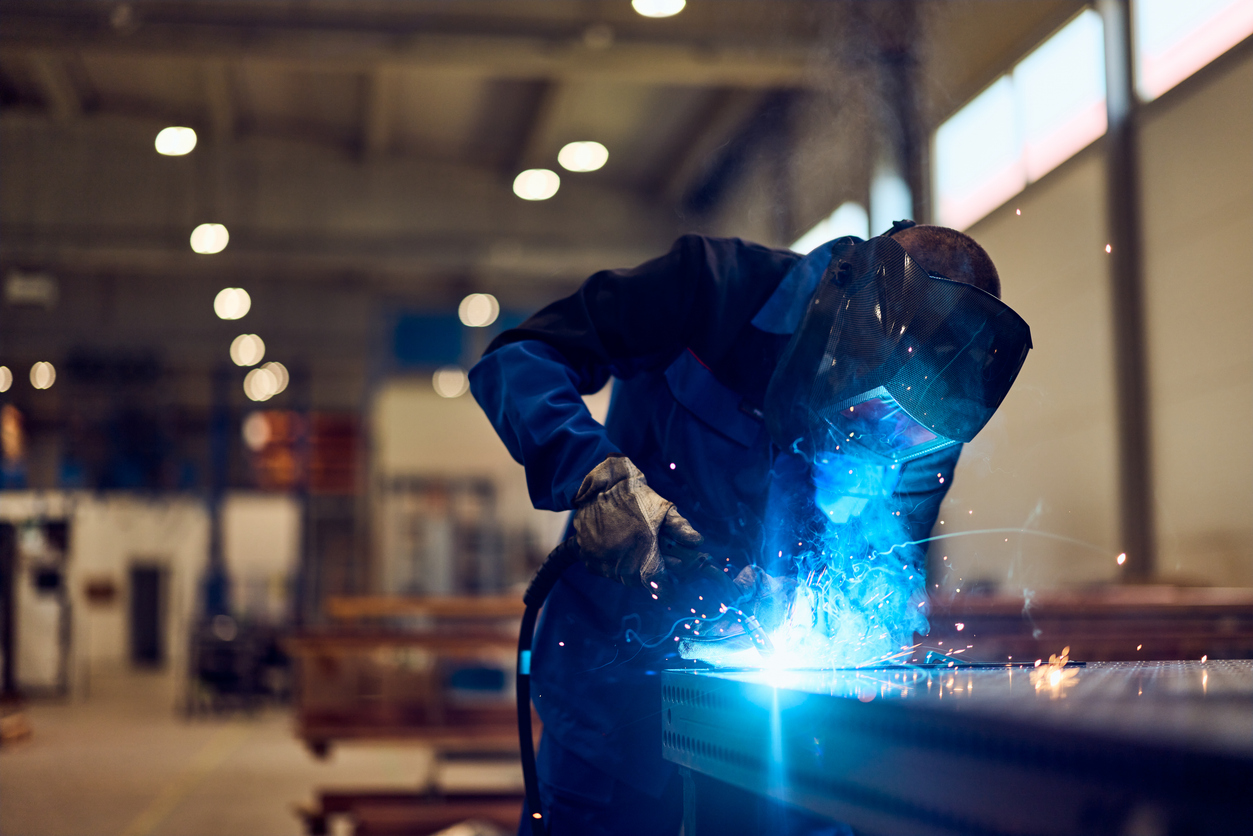
If your business works with plastic materials, choosing the right welding machinery can have a significant impact on your production process. High frequency welding is widely used to join certain thermoplastic materials, providing a controlled and efficient way to create strong, consistent seals.
However, high frequency welding machinery is available in different configurations and specifications, so the most suitable equipment will depend on what you manufacture, the materials you use and your production requirements.
Understanding the key factors involved can help you make a more informed decision when selecting machinery for your business.
What Is High Frequency Plastic Welding?
High frequency welding, sometimes referred to as radio frequency (RF) welding, is a process used to join certain thermoplastic materials.
The process uses electromagnetic energy to generate heat within the material. Pressure is then applied to the materials being joined, allowing them to form a strong bond as they cool.
Unlike some other plastic welding techniques, the heat is generated within the material rather than being applied directly to the surface.
This can allow manufacturers to create clean and consistent welds when the correct materials, tooling and machine settings are used.
Which Plastics Can Be High Frequency Welded?
One of the first considerations when choosing high frequency welding machinery is the type of plastic your business works with.
High frequency welding is particularly associated with thermoplastics that have suitable electrical and dielectric properties.
Materials such as PVC and polyurethane (PU) are commonly used in high frequency welding applications, although suitability will depend on the specific material and product.
If you work with multiple plastics, it is important to establish whether the machinery you are considering is suitable for each material before making a purchase.
Consider What You Manufacture
The products you manufacture should play a major role in your choice of welding machinery.
High frequency welding can be used in a variety of applications, including products such as inflatable items, industrial covers, medical products, packaging and other fabricated plastic goods.
The size, shape and design of your products will influence the type of machinery and tooling you require.
For example, a manufacturer producing relatively small components may have very different requirements from a business producing large industrial products.
Understanding your products and their welding requirements is therefore an important starting point.
Think About Production Volume
Your production volume is another important consideration.
If you manufacture a relatively small number of products, you may not need the same level of automation or production capacity as a high-volume manufacturer.
For larger production runs, investing in machinery that can provide consistent cycle times and repeatable results may be more important.
Consider how many products you currently manufacture and whether you expect your production requirements to increase in the future.
Choosing machinery based only on your current requirements could mean that you outgrow it if your business expands.
Manual or Automated Machinery?
High frequency welding machinery can be designed for different levels of operator involvement.
For lower-volume or more varied production, manually operated machinery may provide the flexibility you need.
More automated equipment can be useful for businesses producing larger quantities of consistent products. Automation can help improve repeatability and reduce the amount of manual work involved in the welding process.
The right balance will depend on your production environment, available workforce and the level of consistency you require.
Consider Machine Size and Working Area
The physical size of your products will also affect your choice of machinery.
You need to ensure that the machine has a suitable working area for the components you intend to weld.
Larger products may require a larger welding area or a machine designed specifically to accommodate their dimensions.
You should also consider the amount of floor space available within your production facility.
A machine may be suitable from a technical perspective but impractical if it cannot be comfortably accommodated within your existing workspace.
The Importance of Welding Power
The power available from the machine is another factor to consider.
Different applications can require different levels of high frequency power depending on factors such as material, thickness, weld area and production requirements.
Having sufficient power can help ensure that the machine is capable of producing the required weld consistently.
However, selecting a machine based simply on having the highest available power is not necessarily the best approach. The equipment needs to be matched to the specific requirements of your products and production process.
Tooling and Dies
The welding machine itself is only one part of a high frequency welding system.
Tooling and dies are used to define the shape and location of the weld, making them an important part of the process.
The tooling needs to be designed appropriately for the product being manufactured and the weld pattern required.
If your business produces multiple products, you may require different tooling for different designs.
It is therefore worth considering the cost, availability and changeover process for tooling when assessing the overall suitability of a machine.
Production Speed
If your business operates in a high-volume manufacturing environment, production speed can be an important consideration.
The cycle time required to complete each weld can have a direct effect on overall production capacity.
However, faster production is not necessarily beneficial if it comes at the expense of weld quality.
The aim should be to find machinery that provides an appropriate balance between **speed, consistency and quality** for your application.
Energy Efficiency
Energy consumption can also be relevant when selecting industrial machinery.
High frequency welding equipment requires electrical power to operate, so the efficiency of the machinery can have an impact on your ongoing operating costs.
If you are comparing different machines, consider their power requirements alongside their production capacity.
Looking at the overall energy use of your production process rather than the machine in isolation can also help you identify opportunities to improve efficiency.
In conclusion
The right high frequency welding machinery can help your business produce consistent, high-quality welds while supporting an efficient production process.
If you are investing in new high frequency plastic welding machinery, taking the time to assess your current and future manufacturing requirements can help you select equipment that is appropriate for your industry and capable of supporting your business as it develops.