What to Expect When Hiring a Commercial Solar Contractor in Phoenix
Switching to solar energy is an important decision for any business. Commercial properties often have significant electricity requirements, especially during Phoenix summers when air conditioning and cooling systems operate for extended periods. A properly planned solar installation can help businesses generate electricity on-site and manage their energy expenses. However, choosing the right professional is just as important as selecting the solar equipment. Understanding what to expect from a commercial solar contractor in Phoenix can help business owners prepare for the installation process and make informed decisions.
1. Initial Property Assessment
The initial step is typically the commercial property appraisal. A contractor inspects the roof, space on the ground, electrical wiring and installation space. This assessment is used to help establish if a site is suitable for solar panels and to identify any issues that may impact a project.
The condition of the roof, shading, the capacity of the structure and space are relevant factors. They should also provide businesses with their electricity bills so the contractor will have an understanding of how electricity is being used. This information is useful to determine a proper installation rather than just a system that is built because of the size of the building.
2. Understanding Your Energy Requirements
Each commercial property has its own electricity requirements. A warehouse can run a lot of lights and equipment; an office building can have a high cooling demand during the day. A good solar contractor will take these variations into account when selecting a solar system.
The energy use history is used to guide the correct system size. The contractor should describe the quantity of electricity to be produced by the proposed system and how it can be used instead of electricity that is used in the property. Discussions of future expansion, equipment or changes in operating hours are also important for businesses to consider, as these can affect the system design.
3. Solar System Design and Equipment Selection
The contractor evaluates the property and energy needs and creates a system design. This involves choosing appropriate solar panels, inverters, mounting hardware, and wiring. The roof orientation, sun exposure, shading, and existing electrical service should all be taken into consideration.
Equipment quality is important because commercial solar systems are long-term investments. Product specifications, manufacturer warranties, inverter compatibility, and expected performance should all be taken into account by business owners. The contractor should also describe why specific equipment is chosen and how the proposed configuration is suitable for the property's energy requirements.
Working with experienced commercial solar installation can help businesses select suitable equipment and develop a system design based on their property's energy requirements.
4. Permits and Electrical Requirements
Typically, permits and approvals are needed before commercial solar installations can begin. They can range from building permits to electrical permits, structural reviews, and approval for utility interconnection, among others, depending on the project. Requirements may vary depending on system size, installation and property.
Another crucial component of the process is electrical work. Specific panels, wiring or other improvements to the building may be required before the solar system can be connected. The business should enquire from the Contractor what they need to approve and what modifications to the electrics need to be made so they can fully appreciate the scope of the project.
5. Installation and System Testing
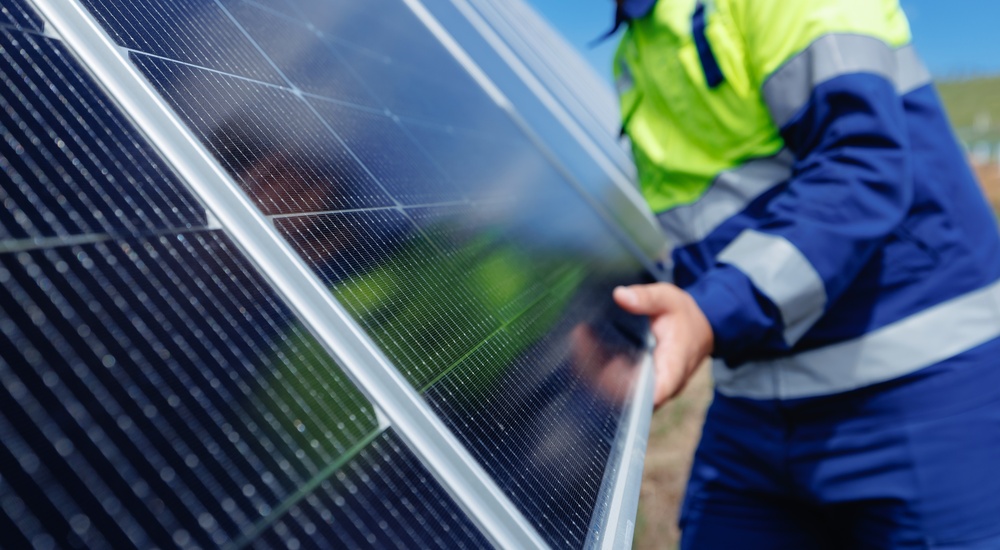
When the required approvals and equipment are in place, installation can commence. This includes mounting the panels, installing inverters, making electrical connections, and connecting the system to the building's electrical grid.
Once the system is installed, it should be inspected and tested in a suitable manner prior to operation. The contractor should provide an explanation of the commissioning process and ensure the equipment is working as intended. Guidance for businesses on the monitoring of system performance and potential maintenance needs should also be provided.
Choosing the Right Commercial Solar Partner
Before selecting a contractor, businesses should compare project proposals, equipment warranties, installation experience, electrical capabilities, and communication standards. A clear proposal should explain the expected system capacity, estimated production, installation scope, and any additional costs. Taking time to review these details can help avoid misunderstandings and support a more informed investment decision.
Businesses planning a commercial solar project can work with AZ Commercial Solar Installers for commercial solar panel installation, electrical wiring, and system integration services in Phoenix, Arizona.