Powering Agricultural Success Through Reliable Equipment and Infrastructure
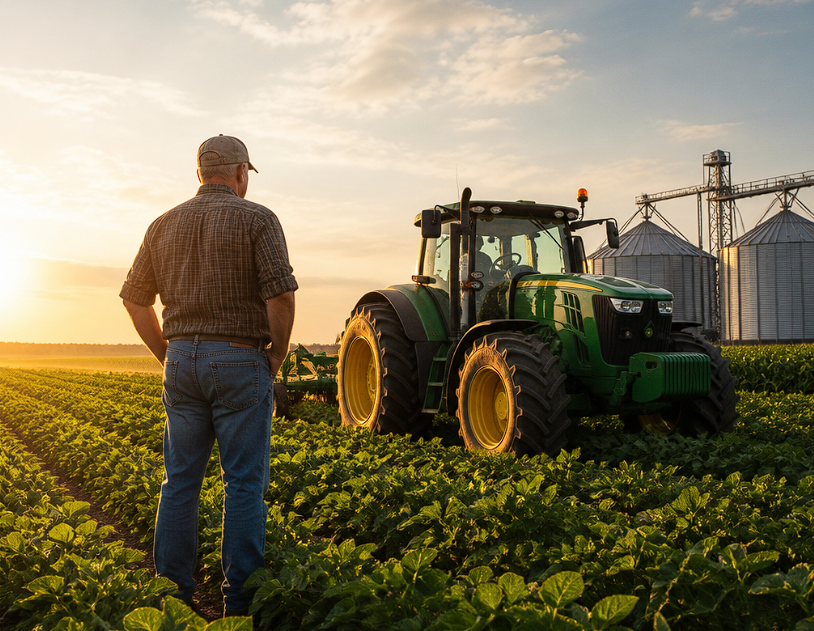
Modern farming has evolved far beyond traditional manual methods, transforming into a sophisticated industry where efficiency, reliability, and technological advancement determine success. Today's agricultural operations demand equipment that can withstand rigorous daily use while delivering consistent performance across diverse terrain and seasonal conditions. As farming enterprises expand and production expectations rise, the foundation of profitability increasingly rests on the quality of machinery, the strategic planning of farm infrastructure, and the adoption of innovative technologies that enhance both productivity and sustainability.
The Foundation of Productive Farming Operations
Agricultural productivity depends fundamentally on access to dependable equipment that can handle the demanding conditions of field work. Whether preparing soil for planting, managing irrigation systems, or harvesting crops at peak ripeness, farmers require machinery built to deliver power and precision when it matters most. Selecting the right agricultural power solutions directly impacts operational efficiency, maintenance costs, and ultimately, the bottom line of farming enterprises. Established providers such as HR Agri Power recognize that farmers need equipment partners who understand the unique demands of agricultural work and can provide reliable machinery backed by responsive service networks.
The investment in quality equipment extends beyond the initial purchase price. Farmers must evaluate total cost of ownership, which includes fuel efficiency, maintenance requirements, parts availability, and the longevity of components under sustained operational stress. Equipment downtime during critical planting or harvest windows can result in significant financial losses, making reliability an essential criterion when selecting agricultural machinery. Modern tractors, harvesters, and specialized implements incorporate engineering advances that reduce mechanical failures while improving operator comfort and safety during extended work periods.
Strategic Infrastructure Development for Rural Properties
Beyond individual machinery, successful agricultural operations require comprehensive infrastructure planning that addresses water management, storage facilities, access roads, and utility systems. The development of rural properties encompasses multiple considerations, from soil conservation measures to the placement of buildings that optimize workflow efficiency. Thoughtful rural property development integrates farm infrastructure and landscaping essentials that support both immediate operational needs and long-term sustainability goals.
Proper infrastructure development begins with detailed assessment of topography, soil characteristics, drainage patterns, and existing resources. Farmers must plan for adequate water storage and distribution systems that can support irrigation needs during dry periods while managing excess water during heavy rainfall. Road networks within farming properties need sufficient width and stability to accommodate heavy equipment traffic, particularly during harvest when fully loaded trucks must transport produce efficiently. Storage facilities require climate control considerations, pest prevention measures, and convenient access to both field locations and transportation routes.
Integrating Sustainable Practices into Farm Design
Contemporary farm infrastructure increasingly incorporates sustainable design principles that reduce environmental impact while improving operational efficiency. Renewable energy installations such as solar panels can offset power costs for irrigation pumps and climate-controlled storage buildings. Precision grading and contouring minimize soil erosion and optimize water retention in fields. Strategic placement of windbreaks and vegetative buffers protects sensitive crops, reduces wind erosion, and creates habitat corridors that support beneficial insect populations. These infrastructure investments often qualify for agricultural grants and tax incentives, making them financially attractive while advancing environmental stewardship.
Technological Advancement in Agricultural Machinery
The agricultural equipment industry continues to undergo rapid technological transformation, with innovations addressing efficiency, environmental concerns, and operator experience. Electric propulsion systems represent one of the most significant emerging developments, with researchers and manufacturers exploring whether electric tractors could revolutionize farming practices through reduced emissions, lower operating costs, and quieter operation. While battery capacity and charging infrastructure present current limitations, electric agricultural vehicles offer compelling advantages for specific applications, particularly in controlled environments like greenhouses and smaller-scale operations.
Beyond alternative propulsion, precision agriculture technologies now enable farmers to optimize resource application with unprecedented accuracy. GPS-guided equipment ensures consistent spacing and eliminates overlap in planting, spraying, and fertilizer application. Soil sensors provide real-time data on moisture levels, nutrient content, and compaction, allowing farmers to respond quickly to changing field conditions. Automated systems reduce operator fatigue during repetitive tasks while maintaining consistent quality standards. These technological advances require equipment platforms capable of integrating digital systems with mechanical components, demanding sophisticated engineering and robust construction.
Data-Driven Decision Making in Modern Agriculture
Modern farming increasingly relies on data analytics to guide operational decisions. Equipment telematics systems track machine performance, fuel consumption, and maintenance needs, alerting operators to potential issues before breakdowns occur. Yield monitoring systems generate detailed maps showing productivity variations across fields, identifying areas that may benefit from adjusted management practices. Weather data integration helps farmers time operations for optimal conditions, reducing risks associated with soil compaction or crop damage. The convergence of machinery capabilities with information technology creates opportunities for continuous improvement in agricultural efficiency.
Building Partnerships with Trusted Equipment Providers
Successful farming operations depend not only on quality equipment but also on relationships with providers who offer comprehensive support throughout the ownership lifecycle. Established agricultural equipment specialists understand that farmers require more than just machinery—they need partners who provide expert guidance on equipment selection, responsive maintenance service, readily available replacement parts, and financing options that align with agricultural cash flow patterns. Companies specializing in agricultural power solutions build their reputations through decades of consistent service to farming communities, earning trust through demonstrated reliability during critical operational periods.
The agricultural equipment sector serves diverse farming operations ranging from small family holdings to large commercial enterprises, each with distinct requirements and constraints. Equipment providers who maintain extensive inventories across multiple machinery categories enable farmers to consolidate their purchasing relationships, simplifying parts procurement and service coordination. Training programs ensure operators understand proper equipment use and maintenance procedures, extending machinery life and preventing costly repairs. Warranty coverage and service agreements provide financial protection against unexpected failures, allowing farmers to budget with greater confidence.
Conclusion: Investing in Agricultural Excellence
The future of agriculture belongs to operations that combine quality equipment, strategic infrastructure development, and willingness to adopt proven technological innovations. Farmers who invest in reliable machinery from established providers position themselves to compete effectively in markets where efficiency margins determine profitability. Infrastructure planning that addresses both immediate operational needs and long-term sustainability creates farming enterprises capable of adapting to evolving environmental and market conditions. As agricultural challenges grow more complex, the partnerships farmers build with equipment suppliers, infrastructure developers, and technology providers become increasingly valuable assets. Success in modern agriculture requires not just individual tools or techniques, but integrated systems where each component supports overall operational excellence and resilience.